
Ethical Diamond Jewelry Guide: Your Path to Responsible Luxury 2026

Ethical diamond jewelry is a phrase that gets used a lot. Not always with the same meaning. Some brands use it to describe conflict-free sourcing. Others extend it to labor practices, environmental impact, and full supply chain transparency. The gap between a marketing claim and a verifiable commitment is wide.
If you're looking for a diamond piece that aligns with your values, the first step is understanding what "ethical" can actually mean, and what to look for when a brand says it.

What Makes a Diamond Ethical?
There's no single industry definition. But the term carries weight when it covers three things at once: sourcing, labor, and environmental responsibility.
Sourcing means knowing exactly where a diamond comes from and how it reached you. The Kimberley Process, established to reduce trade in conflict diamonds, was a step forward, but it has known gaps. It doesn't address labor conditions, environmental damage, or the full chain of custody from mine to market.
Labor practices matter because diamond supply chains span countries with vastly different standards. Fair wages, safe conditions, and no child labor should be baseline expectations, not differentiators.
Environmental responsibility means accounting for the ecological cost of producing a diamond, from land disruption and water use to carbon emissions and chemical runoff.
A diamond can be mined, recycled, or lab grown. Each has a different ethical profile. Mined diamonds range from responsibly operated large-scale mines to unregulated artisanal operations. Recycled diamonds eliminate the need for new extraction. Lab-grown diamonds are produced in controlled environments with full traceability.
No category is automatically ethical. The specifics matter.
The Environmental Cost of Mining
Traditional diamond mining has a significant environmental footprint. Open-pit operations displace large tracts of land, fragment ecosystems, and can render soil unusable for decades after extraction ends. Water contamination from acid mine drainage is a long-term burden on surrounding communities.
The mining industry has made real progress in recent years. Many modern operations invest in land rehabilitation, stricter waste management, and reduced emissions. But the scale of disruption from extraction, especially in regions with weaker regulation, remains a serious concern.
Lab-grown diamonds require far less land and produce significantly less waste per carat. Their actual carbon footprint depends on the energy source powering the facility. This is an important distinction: a lab-grown diamond produced with renewable energy has a very different profile from one produced on a coal-powered grid.
At IRALIS, environmental claims are specific, not sweeping. Every piece is crafted in 14k or 18k recycled gold. Our goldsmith is a Responsible Jewelry Council member. Our supply chain is fully transparent and traceable. We don't make broad claims about the entire lab-grown industry. We stand behind what we can verify about our own practices.

Labor and Social Impact
Mining communities around the world have complex relationships with the diamond industry. In some regions, diamond revenues fund education and infrastructure. In others, workers face unsafe conditions, poverty wages, and exploitation.
Certifications like the Responsible Jewelry Council (RJC) and Fairmined help verify labor and sourcing standards. They're meaningful when backed by independent audits and transparent reporting.
When you're evaluating a brand, look beyond the certification logo. Ask whether they publish supply chain data. Ask how their workers and artisans are treated. Responsible brands welcome those questions.
How Lab-Grown Diamonds Fit In
Lab-grown diamonds are created using two primary methods: CVD (Chemical Vapor Deposition) and HPHT (High Pressure, High Temperature). Both produce diamonds with the same chemical composition, crystal structure, and optical properties as mined stones.
What they offer ethically is straightforward: a fully traceable origin, no mining displacement, and controlled production conditions.
What they don't automatically guarantee is environmental perfection. Energy use varies by facility. Production methods differ. "Lab grown" doesn't equal "zero impact" unless the specific producer can demonstrate it.
This is why the individual brand matters more than the category.
Certification: What to Look For in 2026
The certification landscape has shifted significantly:

IGI (International Gemological Institute) is the only major grading body still evaluating lab-grown diamonds on the full traditional 4Cs: cut, clarity, color, and carat. This gives you the most detailed and comparable quality assessment available. IGI is IRALIS's primary certifier for diamonds from 1 carat.
GIA (Gemological Institute of America) stopped issuing individual 4C grades for lab-grown diamonds as of October 1, 2025. Lab-grown stones now receive one of two broad classifications: "Premium" or "Standard." IRALIS can source GIA-graded stones on client request.
HRD Antwerp stopped grading loose lab-grown diamonds entirely as of January 2026.
For ethical sourcing verification, look for RJC membership (which covers the full supply chain) and ask whether the brand can document its specific suppliers and production partners.
How to Actually Choose
Start with your values. What matters most to you: environmental impact, labor practices, traceability, or all three? Be specific. "Ethical" means different things to different people, and knowing your priorities helps you evaluate brands clearly.
Then look at what a brand can actually prove. Certifications matter, but so does transparency. A brand committed to ethical practices will show you its supply chain, not just tell you about it.
Ask directly:
Where are the diamonds sourced? Can they trace each stone to its origin? What certifications do they hold, and what do those certifications actually cover? How are the people involved in production treated and compensated? What materials are used for the settings, and where do those come from?
At IRALIS, every lab-grown diamond is hand-selected by the gemologist, who evaluates stones individually and chooses only the top 1% based on visual performance. A diamond can look good on a certificate and not perform in person. Cut is the deciding factor. If a stone doesn't meet the standard, it's rejected, regardless of what the certificate says.
Milena and the team handle the rest: learning about your story, understanding the moment you're marking, and shaping the piece around it. Every piece is handcrafted in Europe in your choice of 14k or 18k recycled gold, set with premium certified lab-grown diamonds. Production takes 2 to 10 weeks depending on the product, because it's made for you, not pulled from a shelf.
Spotting Greenwashing
Some brands use terms like "eco-friendly," "sustainable," or "responsibly sourced" without any third-party verification behind them. That's a red flag.
Look for:
Specific, verifiable claims rather than vague language. Named certifications from recognized bodies (RJC, IGI, Fairmined), not self-created eco-labels. Published supply chain data, not just marketing statements. Willingness to answer detailed questions about sourcing and production.
If a brand can't tell you exactly where its diamonds come from and who made the piece, its ethical claims don't carry much weight.
What This Looks Like at IRALIS
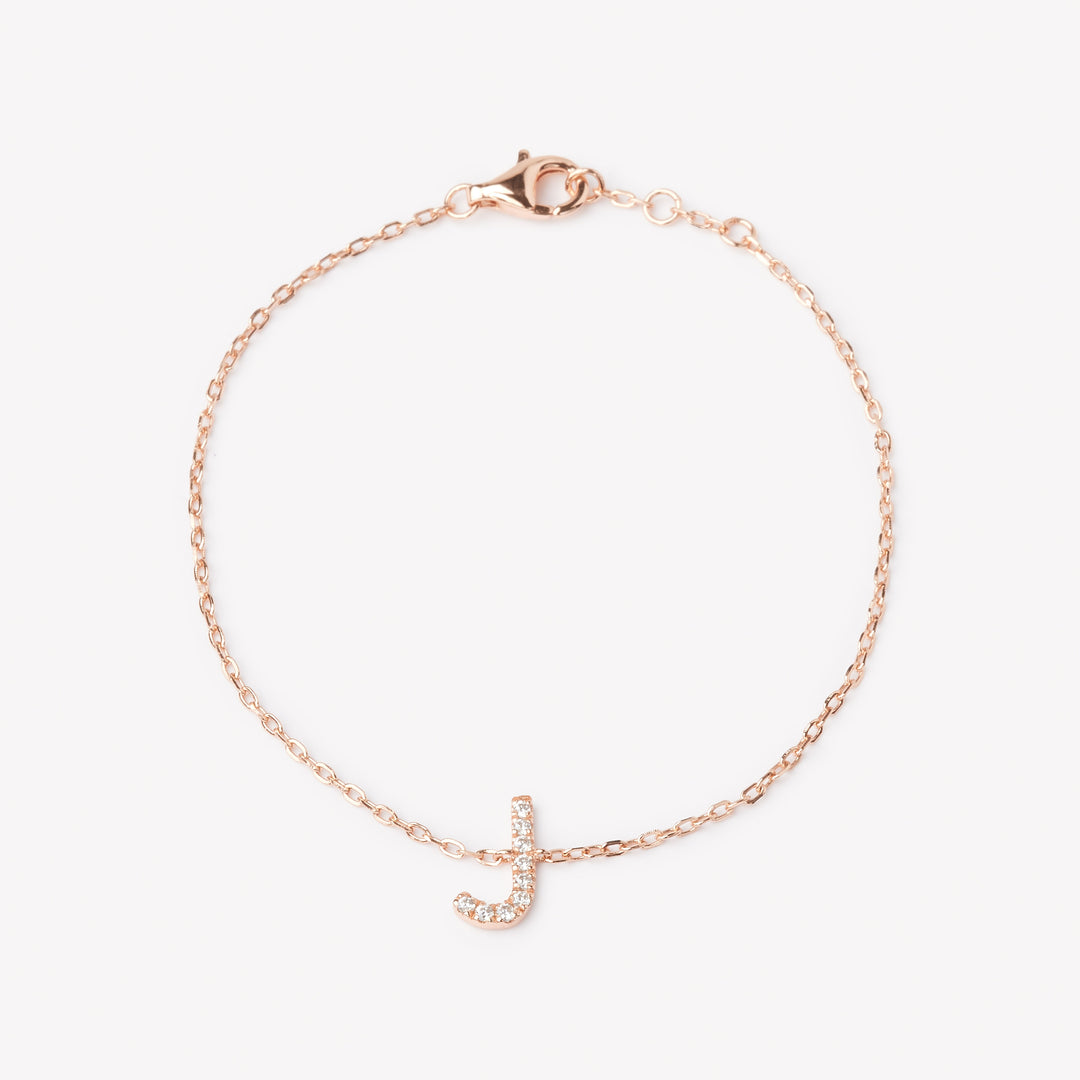
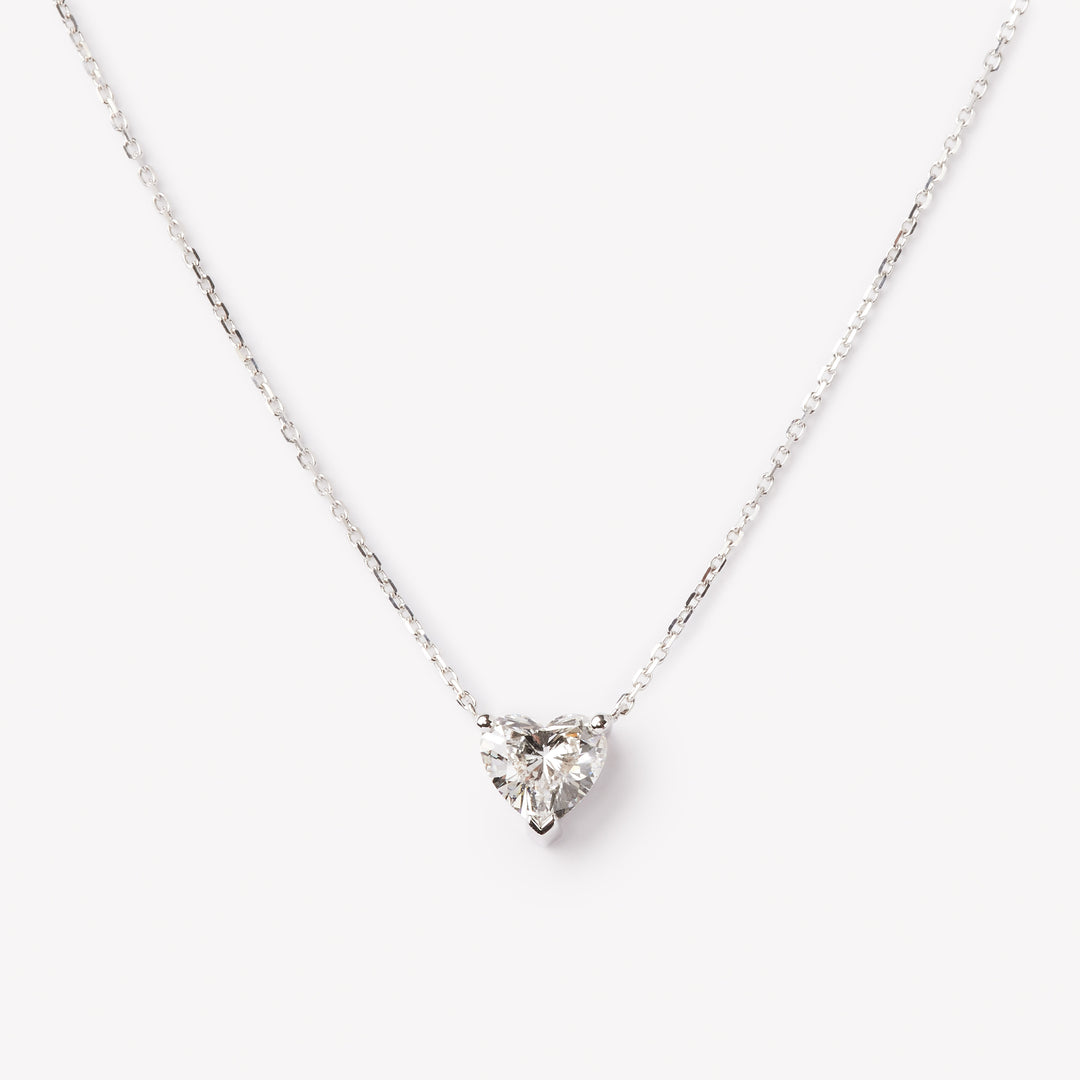
IRALIS is a Zurich-based fine jewelry brand creating made-to-order pieces in recycled gold and premium certified lab-grown diamonds, handcrafted in Europe.
The gemologist hand-selects every diamond. Milena handles every client relationship personally, learning about your life and the moment you want to mark before the piece takes shape. These are two distinct roles, and both matter.

Fine jewelry should feel personal before you wear it. That process starts with a conversation, not a shopping cart.
IRALIS offers by-appointment meetings in Zurich, in person or virtual. Flexible payment options include Twint Buy Now Pay Later (up to CHF 1,000), HeyLight (up to CHF 5,000 with 25% down payment and 12 monthly installments), and Klarna Flexible Payments at checkout.
Frequently Asked Questions
What does "ethical diamond" actually mean? There is no single industry definition. The term carries weight when it covers three things: sourcing (knowing where the diamond comes from), labor practices (fair wages, safe conditions), and environmental responsibility (accounting for the ecological cost of production). A diamond can be mined, recycled, or lab grown. No category is automatically ethical. The specifics of each brand's practices matter.
How can I tell if a jewelry brand's ethical claims are genuine? Look for specific, verifiable claims rather than vague language. Check for named certifications from recognized bodies like the Responsible Jewelry Council, IGI, or Fairmined. Ask whether the brand publishes supply chain data and can tell you exactly where its diamonds come from and who made the piece. If a brand cannot answer those questions directly, its claims do not carry much weight.
What is the environmental difference between lab-grown and mined diamonds? Mined diamonds require moving large volumes of earth, can displace ecosystems, and may contaminate local water sources. Lab-grown diamonds require far less land and produce less waste per carat. The actual carbon footprint of a lab-grown diamond depends on the energy source powering the facility. At IRALIS, environmental responsibility is specific: recycled gold, RJC membership through the goldsmith partner, and a fully transparent supply chain.
Which certifications should I look for when buying ethical diamond jewelry? For diamond quality, IGI certification provides the most detailed assessment, grading lab-grown diamonds on the full traditional 4Cs. For ethical sourcing, look for Responsible Jewelry Council membership, which covers the full supply chain. Ask whether the brand can document its specific suppliers and production partners. Certifications matter most when backed by independent audits and transparent reporting.
How does IRALIS ensure its jewelry is ethically made? Every piece is crafted in 14k or 18k recycled gold by a goldsmith who is a Responsible Jewelry Council member. The supply chain is fully transparent and traceable. The gemologist hand selects only the top 1% of lab-grown diamonds based on visual performance. IRALIS does not make broad claims about the entire lab-grown industry. It stands behind what it can verify about its own practices.