
Ethical Diamond Jewelry Guide: Your Path to Responsible Luxury 2026

Imagine a world in 2026 where your jewelry not only dazzles but also mirrors your deepest values. As luxury evolves, more people are seeking beauty that aligns with responsibility and purpose.
This guide is your essential companion to understanding ethical diamond jewelry. By exploring what makes a diamond truly ethical, you’ll gain the confidence to choose pieces that honor both style and sustainability.
Ready to redefine luxury on your own terms? Discover the real impact of your choices, learn how to spot responsible brands, and dive into the trends shaping the future of ethical diamond jewelry.
Understanding Ethical Diamond Jewelry
Choosing ethical diamond jewelry is about more than just aesthetics. Today, discerning buyers want diamonds that embody both luxury and responsibility. Understanding what makes a diamond truly ethical is the first step toward aligning your values with your style.

What Defines an "Ethical" Diamond?
Ethical diamond jewelry meets strict criteria that go far beyond "conflict-free" claims. The essentials include:
- Conflict-free sourcing: Diamonds not linked to war or violence.
- Fair labor practices: Safe conditions, fair wages, and no child labor.
- Environmental responsibility: Minimizing ecological damage throughout the supply chain.
Diamonds can be classified as mined, recycled, or lab-grown. Mined diamonds are extracted from the earth, recycled ones come from pre-owned pieces, and lab-grown diamonds are created in controlled environments.
Supply chain transparency is critical. Even widely-recognized initiatives like the Kimberley Process, while effective at reducing conflict diamonds, have notable limitations. Loopholes and lack of oversight mean not all "conflict-free" stones truly meet ethical diamond jewelry standards.
Ultimately, a diamond's journey from origin to showroom determines its ethical status. Not all diamonds labeled as ethical diamond jewelry are created equal.
The Environmental Impact of Traditional vs. Ethical Diamonds
Traditional diamond mining can have a substantial environmental footprint. Land degradation, water pollution, and high carbon emissions are common consequences. For example, open-pit mines disrupt ecosystems and consume up to 480 liters of water per carat.
Lab-grown diamonds, on the other hand, can reduce environmental impact by up to 60 percent. According to Trucost (2023), traditional mining emits around 160 kg of CO2 per carat, while lab-grown diamonds emit just 20 to 40 kg. Recycled diamonds help by extending the lifecycle of existing gems and eliminating the need for new extraction.
| Diamond Type | CO2 Emissions (kg/carat) | Water Use (liters/carat) |
|---|---|---|
| Mined | ~160 | ~480 |
| Lab-Grown | 20-40 | ~70 |
| Recycled | Negligible | Negligible |
Ethical diamond jewelry choices make a significant difference for the planet. For a deeper look at these impacts, see this study on the environmental impacts of diamond mining.
Social Responsibility and Labor Practices
The social impact of diamond mining cannot be overlooked. Many traditional mines face serious issues, such as child labor, unsafe working conditions, and unfair wages. Over a million miners worldwide work in hazardous environments, often without basic protections.
Ethical diamond jewelry brands commit to:
- Fair pay for workers
- Safe workplaces
- Investment in local communities
Certifications like Fairmined and the Responsible Jewellery Council (RJC) help verify these standards. Botswana offers a positive example, where diamond revenues are reinvested in education and healthcare, contrasting sharply with conflict zones.
Ultimately, for ethical diamond jewelry, social responsibility is as crucial as environmental stewardship.
The Rise of Lab-Grown Diamonds
Lab-grown diamonds are transforming the landscape of ethical diamond jewelry. Using advanced technologies like Chemical Vapor Deposition (CVD) and High Pressure High Temperature (HPHT), these gems are virtually indistinguishable from mined diamonds.
The market is booming. Lab-grown diamonds are projected to reach $29 billion by 2026, reflecting a dramatic shift in consumer preferences. Seventy percent of Gen Z now favor ethical or lab-grown gemstones.
Lab-grown diamonds offer:
- Consistent quality and brilliance
- Transparent, traceable origins
- Minimal environmental and social impact
As ethical diamond jewelry evolves, lab-grown stones are setting a new standard for responsible luxury.
The True Cost of Traditional Diamonds
Traditional diamonds carry a legacy of beauty, but beneath their brilliance lie impacts that challenge the ideals behind ethical diamond jewelry. Understanding these costs is essential for making conscious, responsible choices as a modern luxury consumer.
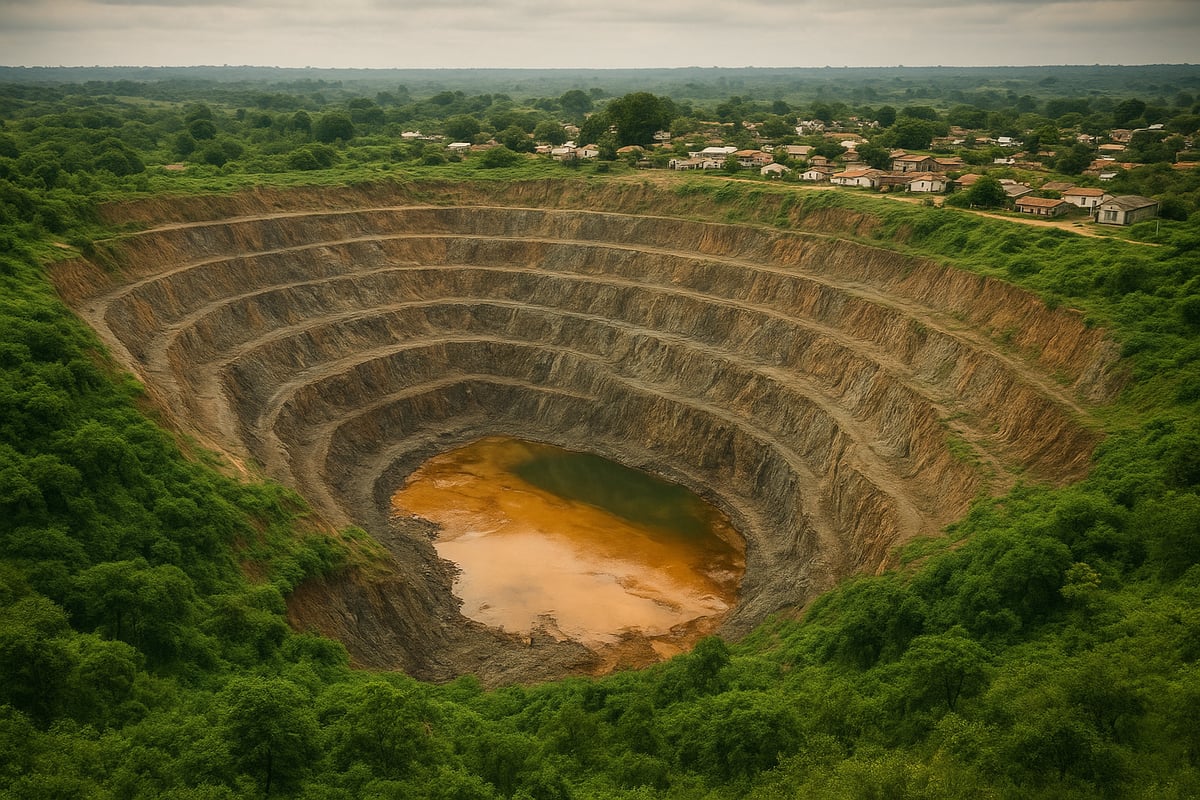
Environmental Degradation and Resource Use
The environmental toll of traditional diamonds is significant and often hidden from view. Open-pit mines displace vast tracts of land, fragmenting habitats and leaving lasting scars on ecosystems. Extracting a single carat can require up to 480 liters of water, straining local resources and disrupting natural cycles.
Toxic byproducts such as mercury and cyanide frequently contaminate nearby waterways, endangering both wildlife and human populations. The aftermath of sites like the Mirny mine in Russia illustrates the long-term devastation, with barren landscapes and polluted soil persisting for decades.
A comparison of carbon emissions reveals the impact clearly:
| Source | CO2 Emissions per Carat |
|---|---|
| Mined Diamonds | ~160 kg |
| Lab-Grown Diamonds | ~20–40 kg |
For a deeper analysis, see this Lab-grown diamonds' sustainability analysis, which explores the ecological advantages of ethical diamond jewelry alternatives. Choosing responsibly sourced gems dramatically reduces environmental harm.
Human Rights and Ethical Violations
The human cost of traditional diamonds can be severe. Conflict diamonds have historically funded wars and violence, especially in regions lacking stable governance. In artisanal mining sectors, forced and child labor remain pressing concerns, with over 1 million miners working in hazardous conditions according to Human Rights Watch.
Lack of worker protections exposes individuals to dangerous situations, including cave-ins, toxic dust, and poor health outcomes. In these environments, the promise of ethical diamond jewelry becomes a matter of upholding basic human rights and dignity.
Ethical sourcing is a moral imperative, not just a marketing claim. When evaluating diamond origins, consider the social costs as seriously as the environmental ones.
Economic Impact on Local Communities
Traditional diamond mining often fails to deliver lasting prosperity to local populations. While some revenue flows into the region, profits are frequently extracted by global corporations, bypassing the very communities whose land and labor make extraction possible.
This uneven distribution fuels cycles of dependency and instability, with boom-and-bust economies that collapse when mines close or resources are depleted. However, positive models do exist. Botswana, for example, has reinvested diamond profits into national education and healthcare, demonstrating that ethical diamond jewelry can empower rather than exploit.
Responsible sourcing is about ensuring that communities benefit, not just survive, from the resources beneath their feet.
Consumer Trust and Transparency Challenges
For consumers, distinguishing truly ethical diamond jewelry from misleading claims is a growing challenge. Greenwashing—using vague terms like "ethical" or "sustainable" without third-party verification—remains widespread in marketing.
The diamond supply chain is complex, making traceability difficult. Even certification schemes such as the Kimberley Process have known loopholes, allowing some conflict diamonds to enter the market under the guise of legitimacy.
Transparency is crucial. Informed buyers should demand clear documentation and credible certifications, remembering that not every "conflict-free" diamond meets the full standards of ethical diamond jewelry. Only with rigorous scrutiny can trust be rebuilt and responsible luxury achieved.
How to Choose Ethical Diamond Jewelry: Step-by-Step Guide
Choosing ethical diamond jewelry is a thoughtful process that balances your values with sophistication. This guide walks you through each step, ensuring your next piece is as responsible as it is beautiful.

Step 1: Define Your Ethical Priorities
Begin by clarifying what matters most to you in ethical diamond jewelry. Are you passionate about environmental sustainability, social justice, or both? Your priorities will guide your decision.
Consider if you prefer lab-grown diamonds for minimal environmental impact, recycled diamonds for zero new mining, or responsibly mined diamonds that support ethical communities. For example, pairing recycled gold with ethical diamond jewelry can amplify your positive impact.
Write down your values and keep them in mind as you explore options. This self-awareness makes every choice more meaningful.
Step 2: Research and Verify Brand Credentials
Not all brands selling ethical diamond jewelry are equal in their commitments. Look for third-party certifications such as the Responsible Jewellery Council (RJC), Fairmined, or SCS-007 for lab-grown diamonds.
Dive into company reports and sustainability statements. Brands dedicated to ethical diamond jewelry often publish detailed sourcing data and impact reports. Transparency is key—companies should openly share their supply chain information.
Before you buy, consult resources like the Diamond Buying Guide for tips on verifying credentials and understanding what sets truly ethical diamond jewelry apart.
Step 3: Understand Diamond Origins and Traceability
Traceability is essential for ethical diamond jewelry. Always request documentation that proves the origin of your diamond, whether it is mined, recycled, or lab-grown.
Ask for certificates or digital tracking, such as blockchain records, that follow your diamond from its source to your hands. Fully traceable diamonds make up only about 20 percent of the global market, so diligence is crucial.
When you can verify a diamond’s journey, you ensure your ethical diamond jewelry truly aligns with your standards.
Step 4: Evaluate Environmental and Social Impact
A responsible purchase means looking beyond the diamond itself. Assess the environmental footprint of your ethical diamond jewelry by reviewing carbon disclosures and water usage data.
Examine the brand’s labor practices and community investments. Brands that publish sustainability audits and support local workers set the standard for ethical diamond jewelry.
Choose companies that back up their claims with measurable results and transparent reporting.
Step 5: Compare Lab-Grown vs. Recycled vs. Responsible Mined Diamonds
Each ethical diamond jewelry option offers unique benefits. Lab-grown diamonds typically have the smallest environmental and social impact, thanks to innovative technology.
Recycled diamonds eliminate the need for new mining and support a circular economy. Responsibly mined diamonds can uplift ethical mining communities.
| Type | Environmental Impact | Social Impact | Key Benefit |
|---|---|---|---|
| Lab-Grown | Low | High (if certified) | Innovation, purity |
| Recycled | Lowest | Variable | No new extraction |
| Responsible Mined | Moderate | High (if certified) | Supports communities |
Reflect on which option best fits your ethical diamond jewelry priorities.
Step 6: Examine Jewelry Materials and Craftsmanship
The foundation of ethical diamond jewelry extends beyond the stone. Prioritize recycled or Fairtrade-certified gold and platinum to further minimize environmental harm.
Seek out handcrafted pieces rather than mass-produced products. Artisan-made jewelry not only preserves traditional skills but also supports fair wages and local craftspeople.
Consider the entire lifecycle of your ethical diamond jewelry, from the metals used to the artistry behind each unique piece.
Recognizing Responsible Brands and Certifications
Navigating the world of ethical diamond jewelry requires a discerning eye for credible brands and authentic certifications. As ethical diamond jewelry gains momentum, understanding how to identify responsible practices is essential for making empowered choices.
Key Ethical Jewelry Certifications
Not all certifications are created equal in the ethical diamond jewelry space. To confidently choose truly responsible pieces, look for third-party standards that go beyond basic conflict-free claims.
Below is a summary of key certifications:
| Certification | Focus | Strengths | Limitations |
|---|---|---|---|
| Kimberley Process | Conflict-free sourcing | Reduces conflict diamonds | Does not address labor or environment |
| RJC (Responsible Jewellery Council) | Broad ethical standards | Covers full supply chain | Varies by member compliance |
| Fairmined/Fairtrade Gold | Responsible mining of metals | Supports artisanal miners | Applies to metals, not diamonds |
| SCS-007 | Sustainability for lab-grown diamonds | Environmental and social metrics | Newer, less widespread |
Brands with multiple certifications provide stronger assurance of their commitment to ethical diamond jewelry. For a deeper dive on what to look for, see 5 Things to Know About Diamond Jewelry.
Spotting Greenwashing and Misleading Claims
As demand for ethical diamond jewelry increases, so does the risk of greenwashing. Many brands use vague language, such as "eco-friendly" or "responsibly sourced," without offering proof.
Red flags include:
- No mention of third-party certification.
- Lack of clear supply chain information.
- Unsubstantiated eco-labels or generic sustainability claims.
Avoid falling for marketing hype by looking for transparency and evidence. A brand committed to ethical diamond jewelry will back up its claims with data and independent verification. Critical evaluation is your best defense against misleading advertising.
Questions to Ask Before Buying
Making an informed ethical diamond jewelry purchase means asking the right questions. Start with these essentials:
- Where are the diamonds sourced and how are they traced?
- What certifications does the brand hold?
- Is the supply chain transparent and documented?
- Are workers and artisans paid fairly and treated ethically?
By proactively seeking answers, you ensure your values align with your purchase. Responsible brands will welcome your questions and provide clear, honest information about their ethical diamond jewelry.
IRALIS Jewelry: Ethical Luxury Redefined
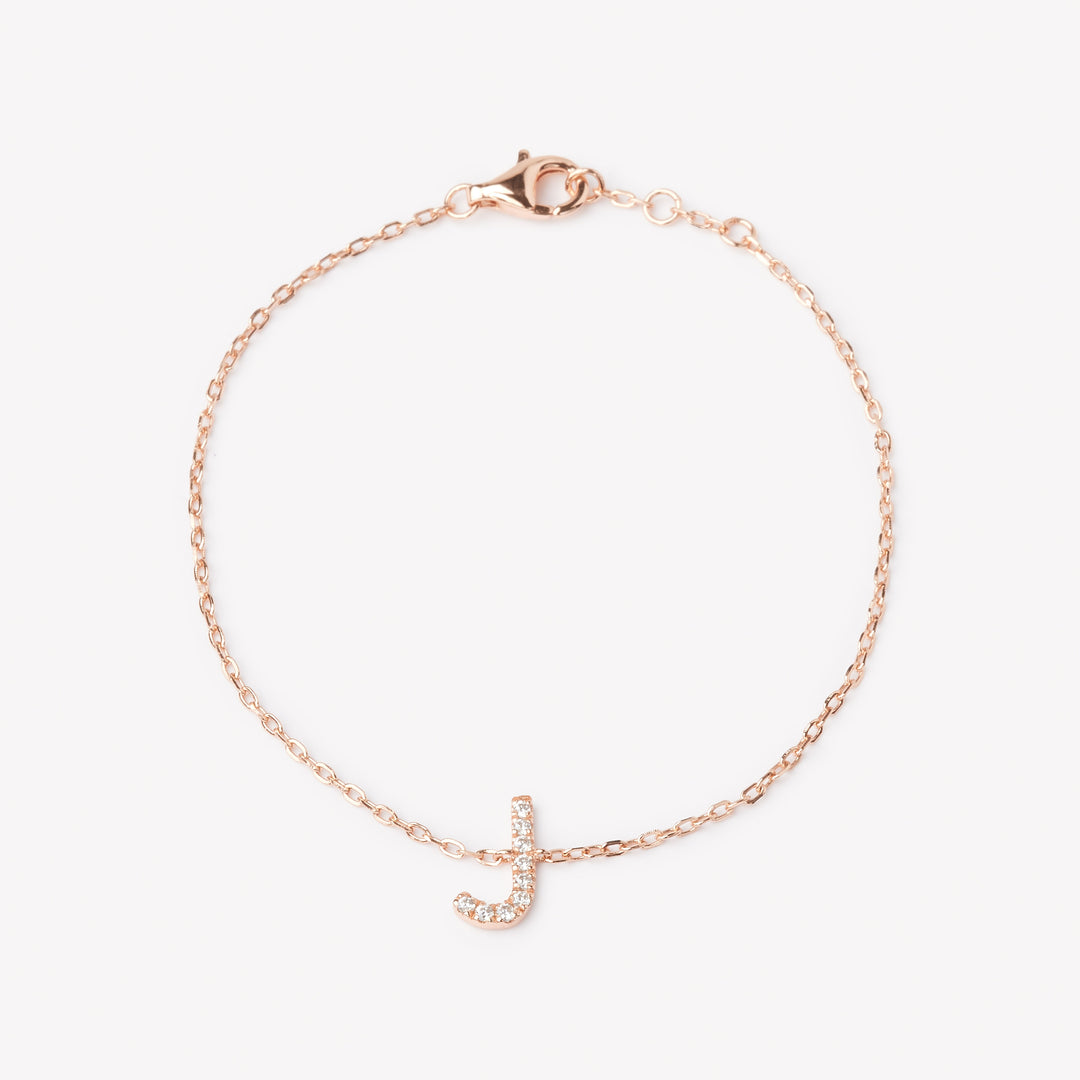
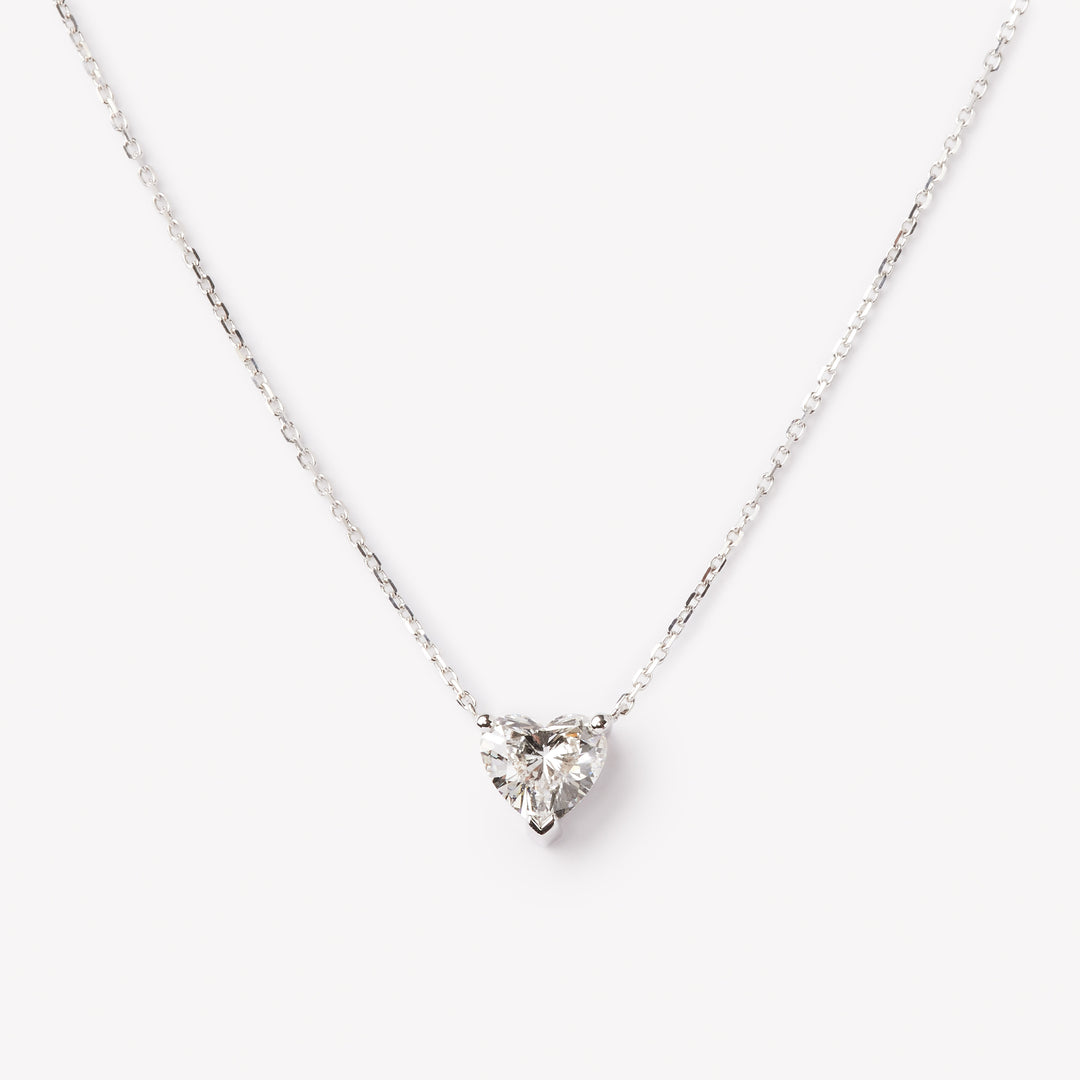
IRALIS Jewelry stands out in the ethical diamond jewelry landscape for its integrity and innovation. Specializing in lab-grown diamonds and recycled precious metals, IRALIS ensures full traceability from origin to finished piece. Every diamond is GIA or IGI certified, and all jewelry is handcrafted in Italy with a focus on sustainable luxury.
IRALIS is recognized for empowering women through beautiful jewelry and beyond.
Choosing ethical diamond jewelry from brands like IRALIS means investing in both beauty and a better future.
Trends Shaping Responsible Luxury in 2026
The world of ethical diamond jewelry is experiencing a profound transformation as 2026 approaches. This evolution is driven by cutting-edge technology, changing consumer values, and new design philosophies. Let us explore the key trends that are redefining responsible luxury for a new era.
Technological Innovations in Traceability
Technology is revolutionizing ethical diamond jewelry, making transparency the industry standard. Blockchain platforms now enable end-to-end tracking, allowing consumers to trace a diamond's journey from creation to showcase. AI-powered supply chain audits are increasingly common, ensuring every stage meets ethical benchmarks.
Brands are adopting digital passports for gems, which provide instant access to origin, certification, and environmental data. In fact, 40% of ethical jewelry brands plan to integrate blockchain solutions by 2026, according to McKinsey. For those seeking a deeper understanding of lab-grown diamond technology and its traceability, Lab-Grown Diamonds Explained offers valuable insights into this innovation.
These changes are not just technical; they empower buyers of ethical diamond jewelry to make truly informed choices.
Consumer Demand and Market Growth
The momentum behind ethical diamond jewelry is fueled by a new generation of conscious consumers. Gen Z and Millennials are leading the charge, demanding transparency and sustainability in every purchase. Recent data shows that 65% of luxury buyers rank sustainability as a top priority.
This shift is accelerating the growth of the lab-grown diamond market, as more consumers seek out alternatives that align with their values. The demand for ethical diamond jewelry is prompting brands to rethink their sourcing, marketing, and customer engagement strategies.
As sustainability becomes a non-negotiable expectation, the market for ethical diamond jewelry is set to expand well beyond its traditional boundaries.
Design Trends in Ethical Jewelry
Designers are pushing the boundaries of ethical diamond jewelry by embracing minimalism, gender-neutral aesthetics, and customization. The use of colored lab-grown gemstones is on the rise, offering vibrant, contemporary alternatives to classic white diamonds.
Statement pieces that symbolize empowerment and sustainability are also gaining traction. This trend reflects a broader desire for jewelry that carries meaning and supports ethical values.
Ethical diamond jewelry now merges style with substance, ensuring that sophistication and responsibility go hand in hand.
Regulatory and Industry Developments
Stricter global regulations are reshaping the landscape for ethical diamond jewelry. Governments and industry bodies are rolling out new directives, such as the EU's 2025 ethical jewelry standards, which require greater supply chain transparency and responsible sourcing.
Certification schemes are expanding, with more brands seeking third-party verification to validate their ethical claims. For example, regulatory initiatives are now addressing the role of lab-grown diamonds in combating conflict diamonds, a topic explored in Lab-grown diamonds and conflict diamonds.
As oversight increases, ethical diamond jewelry brands must adapt to meet these higher standards.
The Future of Responsible Luxury
Looking ahead, ethical diamond jewelry is poised to become the norm among discerning buyers. The mainstream adoption of lab-grown and recycled diamonds will drive this shift, supported by fully transparent, direct-to-consumer brands.
The future promises even greater alignment between luxury and responsibility. As ethical diamond jewelry gains prominence, it will set the benchmark for sustainable sophistication in the jewelry world.