
IGI Certified Lab Grown Diamond Guide for 2026 Buyers

Ethical luxury is redefining fine jewelry, with the igi certified lab grown diamond emerging as the top choice for 2026 buyers. As more consumers seek sustainable, conflict-free, and premium alternatives to traditional mined stones, demand for these certified gems is at an all-time high.
This guide is designed to help you navigate the world of igi certified lab grown diamond purchases with confidence. We’ll cover certification essentials, diamond fundamentals, buying steps, quality factors, 2026 trends, and expert tips so you can make an informed, empowered decision.
Understanding IGI Certification for Lab Grown Diamonds
The International Gemological Institute (IGI) stands as a global leader in diamond certification, renowned for its expertise, impartiality, and comprehensive grading. As consumer interest in ethical, sustainable jewelry grows, the igi certified lab grown diamond has become the benchmark for transparency and quality in the modern marketplace.

IGI’s certification process for lab grown diamonds is meticulous and science-driven. Each diamond undergoes a series of tests and expert evaluations to determine its unique characteristics. The process involves grading for the 4Cs—cut, color, clarity, and carat—along with advanced spectroscopy and microscopy to confirm lab grown origin. IGI also includes laser inscription and full disclosure of the diamond’s growth method on the report. For further details on the grading steps and what buyers can expect in their report, see IGI's Lab-Grown Diamond Certification.
When comparing certification labs, IGI consistently leads for lab grown diamonds due to its fast adoption of new grading protocols and consumer-focused reporting. Here’s how IGI compares to other major labs:
| Feature | IGI | GIA | HRD |
|---|---|---|---|
| Specialization | Lab grown & natural diamonds | Primarily natural, now lab grown | Both |
| Report Detail | Comprehensive, user-friendly | Technical, evolving | Detailed, less common |
| Turnaround Time | Fast | Moderate | Moderate |
| Market Recognition | High for lab grown | High for natural | Regional |
For anyone purchasing an igi certified lab grown diamond, certification is more than a formality. It ensures transparency, protects resale value, and offers peace of mind that the diamond’s qualities are independently verified. Key elements of an IGI report include:
- Cut grade (proportions, symmetry, polish)
- Color and clarity grades
- Carat weight
- Laser inscription (unique ID on the diamond’s girdle)
- Disclosure of lab grown origin and production method
IGI’s standards have evolved with the rise of lab grown diamonds, introducing advanced detection and grading methods to address their unique features. In 2025, over 70% of lab grown diamonds sold online were IGI certified, reflecting widespread industry trust. This prevalence means buyers can easily compare options and feel confident in their choices.
Some misconceptions persist around IGI certification, especially the idea that igi certified lab grown diamond reports are less rigorous than those for natural stones. In reality, IGI applies strict protocols and clear labeling to distinguish lab grown from mined diamonds, ensuring buyers are never misled.
Choosing an igi certified lab grown diamond means investing in verified quality and ethical sourcing. With IGI’s global reputation, evolving standards, and consumer-first approach, buyers are equipped to make informed, confident purchases in 2026’s dynamic jewelry market.
Lab Grown Diamonds: What 2026 Buyers Need to Know
Lab grown diamonds have become a transformative force in the jewelry industry, offering buyers a modern alternative to mined stones. These gems are chemically, physically, and optically identical to natural diamonds. Each igi certified lab grown diamond is made of pure crystallized carbon, ensuring the same sparkle and durability as its mined counterpart.
Unlike imitation stones such as cubic zirconia or moissanite, lab grown diamonds are true diamonds. The only difference lies in their origin. Where natural diamonds form over billions of years deep within the earth, lab grown diamonds are created in advanced laboratories in a matter of weeks.

The two primary methods for creating lab grown diamonds are High Pressure High Temperature (HPHT) and Chemical Vapor Deposition (CVD). HPHT mimics the natural conditions of the earth, applying intense heat and pressure to a carbon source, resulting in a diamond crystal. CVD, meanwhile, uses a carbon-rich gas in a vacuum chamber, allowing diamond crystals to form layer by layer.
Both production methods produce high-quality diamonds suitable for fine jewelry. An igi certified lab grown diamond will specify its growth method in the certification report, assuring buyers of its origin and quality.
One of the most compelling reasons buyers are choosing lab grown diamonds is their environmental and ethical advantages. Traditional diamond mining has significant ecological impacts, including land disruption and high carbon emissions. In contrast, lab grown diamonds require far less energy and water, and they are always conflict-free.
Consumer demand for sustainable luxury has driven remarkable growth in this sector. According to recent Lab-Grown Diamonds Market Size and Growth reports, lab grown diamonds accounted for 15% of global diamond sales in 2025, with forecasts suggesting even greater adoption ahead. For anyone seeking an igi certified lab grown diamond, this growth translates to more choices and competitive pricing.
Despite their authenticity, myths persist around lab grown diamonds. Some believe they are "fake" or inferior in quality. In reality, an igi certified lab grown diamond must meet strict grading standards for cut, color, clarity, and carat, just like natural stones. Advanced technology ensures that lab grown diamonds offer the same brilliance, fire, and hardness as their mined counterparts.
When comparing lab grown and natural diamonds, buyers will notice that lab grown options often cost 30 to 40 percent less for similar quality. This value advantage, combined with ethical assurance, makes an igi certified lab grown diamond a compelling choice for modern jewelry.
In 2026, advancements in technology have further improved the quality and size of lab grown diamonds. Buyers can now choose from a wide range of shapes and sizes, including classic round brilliants, elegant ovals, and fancy cuts. Popular jewelry pieces featuring lab grown diamonds include engagement rings, earrings, and tennis bracelets, offering endless possibilities for personal style.
With more retailers offering certified stones, the igi certified lab grown diamond has become the benchmark for quality and transparency in fine jewelry. As the market continues to evolve, buyers can look forward to even more innovative designs and sustainable luxury options.
Step-by-Step Guide: How to Buy IGI Certified Lab Grown Diamonds in 2026
Choosing an igi certified lab grown diamond in 2026 is easier and more rewarding than ever. Whether you are a first-time buyer or upgrading your jewelry collection, this guide will help you navigate the process with confidence. Follow these steps to ensure you find a diamond that matches your values, style, and budget.
Step 1: Define Your Diamond Preferences
Begin by considering what you want in an igi certified lab grown diamond. Think about the shape (round, oval, princess), size, and jewelry type. Set a realistic budget based on current market prices and your personal priorities.
- Shape: Round, oval, pear, emerald, cushion, and more
- Size: Carat weight range that fits your style and budget
- Jewelry type: Engagement ring, earrings, tennis bracelet, pendant
Research trends and popular styles for 2026 to align your purchase with your vision.
Step 2: Understand the 4Cs for Lab Grown Diamonds
Familiarize yourself with the 4Cs: cut, color, clarity, and carat weight. These factors influence both the beauty and value of an igi certified lab grown diamond.
| 4C | What It Means | Tips for Lab Grown Diamonds |
|---|---|---|
| Cut | Brilliance and sparkle | Prioritize Excellent or Ideal grades |
| Color | Tint from D (colorless) to Z (yellow) | D-H offer best value and beauty |
| Clarity | Presence of inclusions | VS1-SI1 often eye-clean |
| Carat | Weight/size of the diamond | Lab grown allows for larger sizes |
Knowing which qualities matter most can help you balance beauty and budget.
Step 3: Insist on IGI Certification and Verify Authenticity
Only consider diamonds with IGI certification. This report guarantees the stone’s quality and origin. Ask the retailer to show you the certificate and verify its details.
Check for:
- IGI logo and report number
- Precise grading details for your igi certified lab grown diamond
- Laser inscription on the diamond’s girdle matching the certificate
- Online verification via IGI’s database
When browsing, look for real-world examples, such as IGI Certified Engagement Rings, to see how certified stones are presented by reputable retailers.
Step 4: Compare Stones Using Online Tools and Images
Leading retailers now offer advanced online tools for evaluating igi certified lab grown diamond options. Use features like 360° videos, actual diamond images, and ASET or Hearts & Arrows imagery to assess brilliance and cut quality.
Tips for comparison:
- View multiple stones side by side
- Evaluate how lighting affects appearance
- Use filters for 4C grades, shape, and price
Step 5: Select Your Setting and Metal
Choose a jewelry setting that complements your igi certified lab grown diamond. Consider recycled gold or platinum for added sustainability. Review available designs, from classic solitaires to trendy halo or pavé settings.
- Metal options: 18k gold (yellow, white, rose), platinum
- Setting styles: Solitaire, halo, three-stone, vintage, modern
Step 6: Review Retailer Policies and Services
Before buying, check the retailer’s policies on returns, warranties, upgrades, and after-sales support. Reliable sellers of igi certified lab grown diamond jewelry offer:
- Free shipping and secure delivery
- Lifetime upgrade or buyback programs
- 1-year to lifetime warranties
- Easy returns and transparent pricing
Read customer reviews and look for independent ratings to confirm trustworthiness.
Step 7: Finalize Your Purchase and Post-Purchase Care
Once you have chosen your igi certified lab grown diamond, make the purchase online or in-store. Ensure you receive:
- The original IGI certificate
- Detailed sales receipt and warranty information
- Instructions for care and cleaning
Consider insuring your diamond for added protection.
Key Quality Factors: Evaluating IGI Certified Lab Grown Diamonds
Choosing the right igi certified lab grown diamond in 2026 means understanding the critical quality factors that directly impact beauty, value, and satisfaction. IGI's rigorous grading process ensures buyers have transparent, reliable insights into each stone's unique attributes. Let’s break down the essential criteria every buyer should know.

Understanding the 4Cs: Cut, Color, Clarity, Carat
The 4Cs—cut, color, clarity, and carat—form the foundation of igi certified lab grown diamond quality evaluation. IGI applies international standards to assess each factor, giving buyers a clear comparison point.
| Factor | IGI Grading Scale | Impact on Appearance |
|---|---|---|
| Cut | Excellent to Poor | Brilliance, sparkle |
| Color | D (colorless) to Z (tinted) | Brightness, hue |
| Clarity | FL to I3 | Flaw visibility |
| Carat | 0.01ct and up | Size, presence |
Cut: The Key to Brilliance
Cut quality is the most influential factor for an igi certified lab grown diamond's visual appeal. IGI grades cut from Excellent to Poor, considering proportions, symmetry, and polish. An Excellent cut maximizes light return, offering superior brilliance and fire.
- Ideal for engagement rings and earrings
- Prioritize cut over carat for maximum sparkle
- IGI's precise measurements ensure consistency
Color: From Dazzling White to Warm Hues
IGI certified lab grown diamond color is graded from D (colorless) to Z (light yellow or brown). D–F grades offer icy, colorless beauty, while G–J present near-colorless value. Most buyers in 2026 favor G–H for a balance of appearance and price.
- D–F: Pure, premium look
- G–H: Excellent value, minimal visible tint
- K and below: Noticeable warmth, budget-friendly
Curious about the grading process? Explore IGI's Diamond Grading Process for a detailed look at how each stone is evaluated.
Clarity: Spotting Inclusions and Blemishes
Clarity describes the presence of internal inclusions or external blemishes. IGI grades range from Flawless (FL) to Included (I3). Most igi certified lab grown diamond options fall between VS1 (very slightly included) and SI1 (slightly included), where imperfections are hard to detect without magnification.
- FL–VVS2: Virtually flawless, rare
- VS1–VS2: Minor inclusions, invisible to naked eye
- SI1–SI2: Great value, minimal visual impact
Carat: Size, Statement, and Value
Carat measures weight, not just size. IGI certified lab grown diamond availability in 2026 spans a wide range, empowering buyers to choose larger stones at accessible prices. For example, a 1.5ct lab grown stone often costs less than half its mined counterpart, making statement pieces more attainable.
- Popular for engagement rings and statement jewelry
- Larger carat options are more affordable than ever
- Balance carat with cut and clarity for best results
Beyond the 4Cs: Added Quality Considerations
While the 4Cs are central, IGI also evaluates additional factors that influence the appeal of an igi certified lab grown diamond. Fluorescence can affect the stone’s appearance under UV light, with faint to medium levels preferred by many. Polish and symmetry reflect the precision of craftsmanship, both graded from Excellent to Poor.
- Proportions impact light performance and comfort
- Laser inscription adds security and traceability
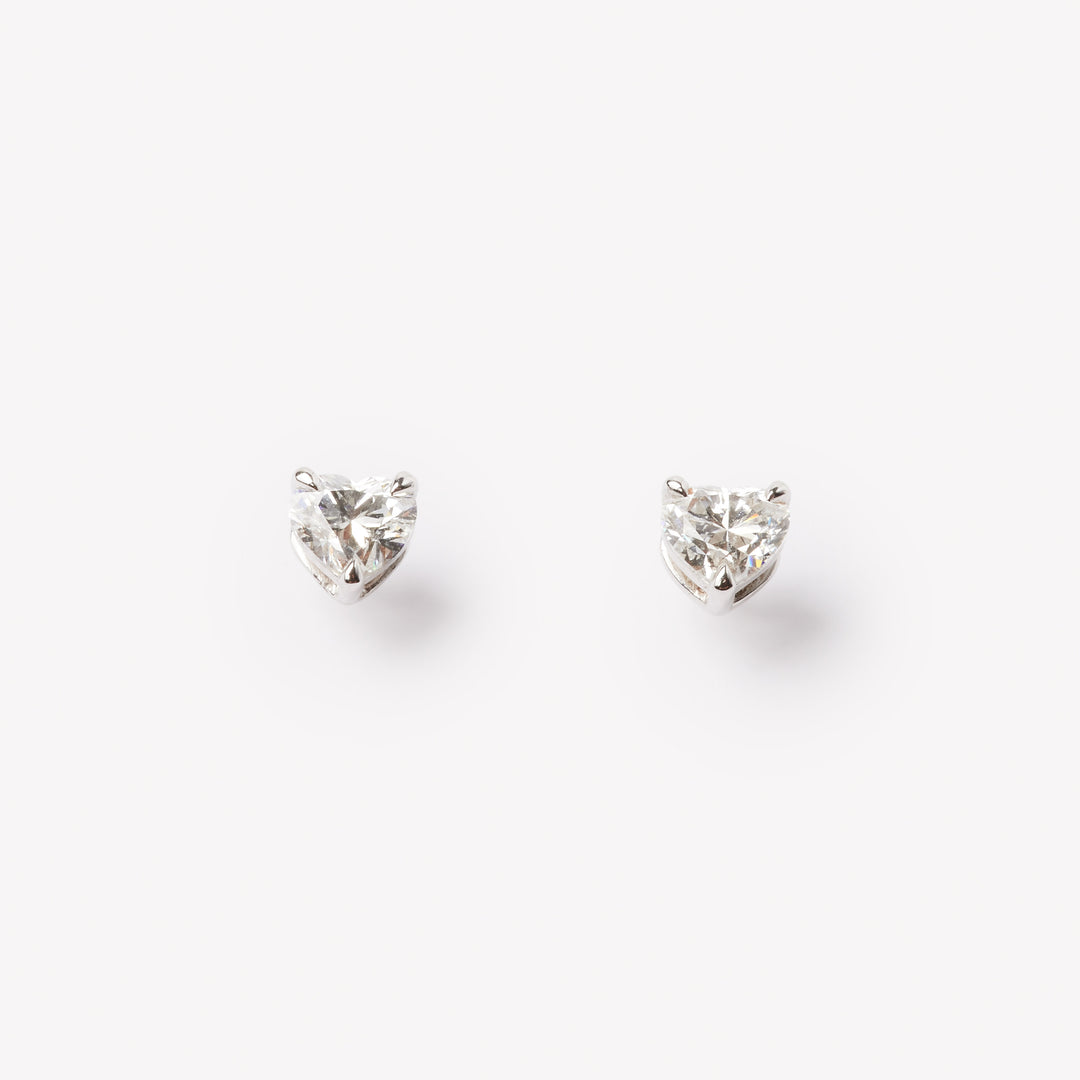
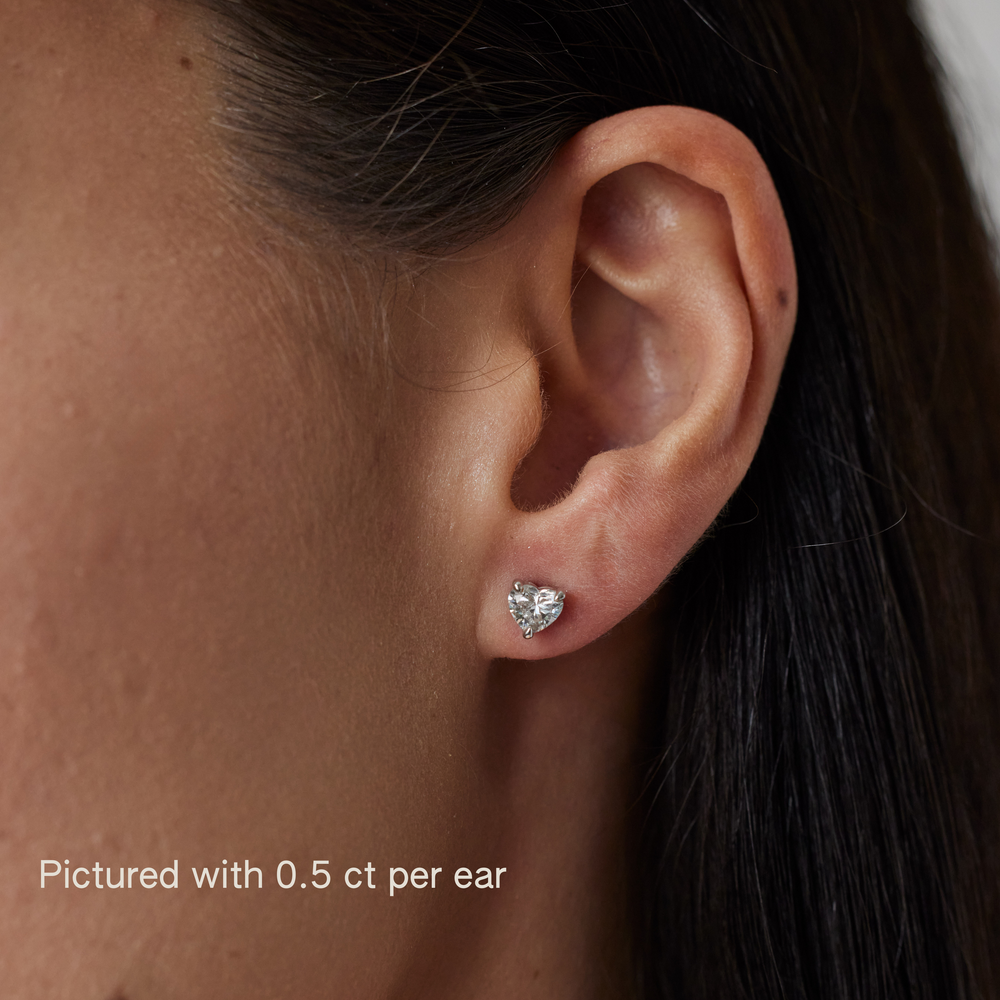
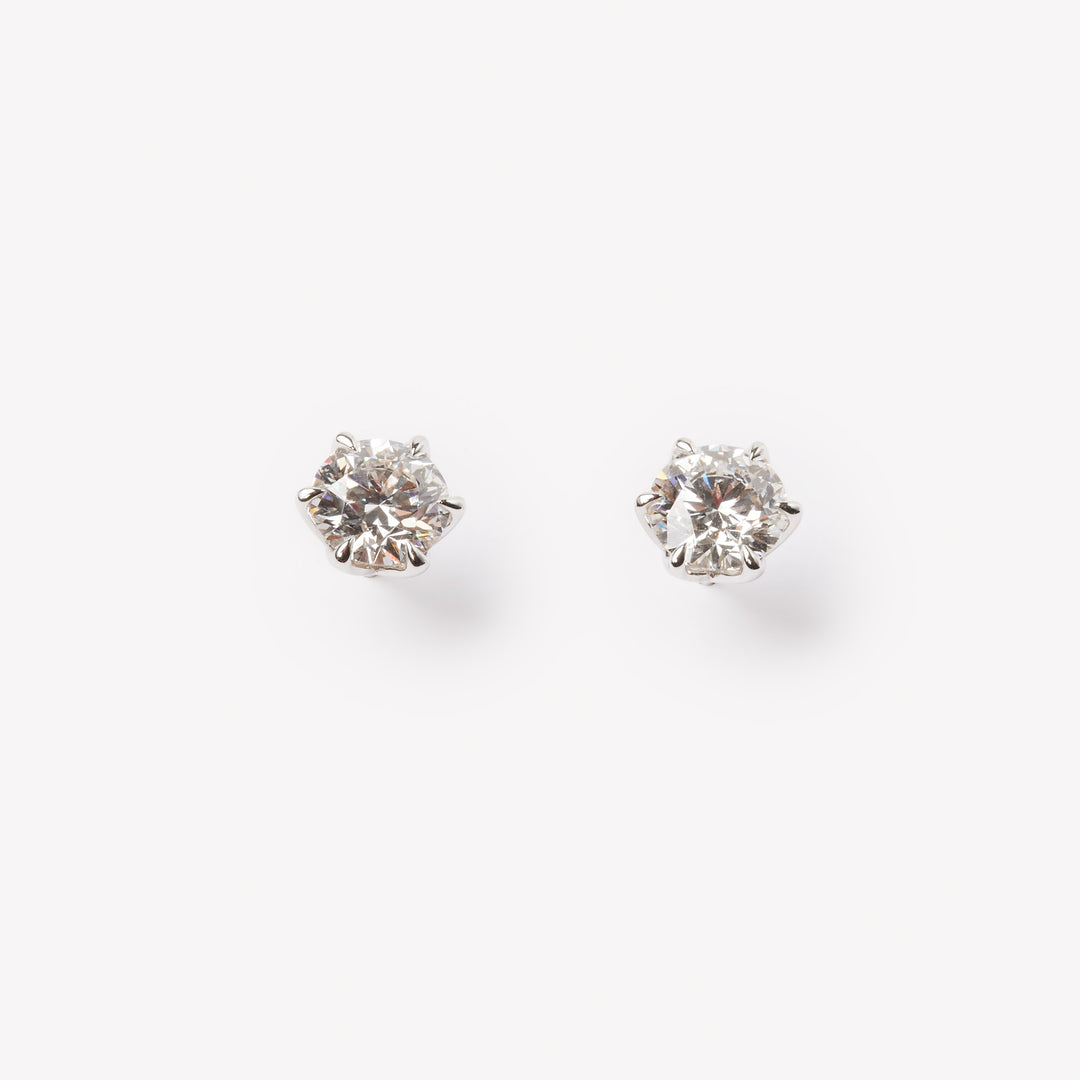
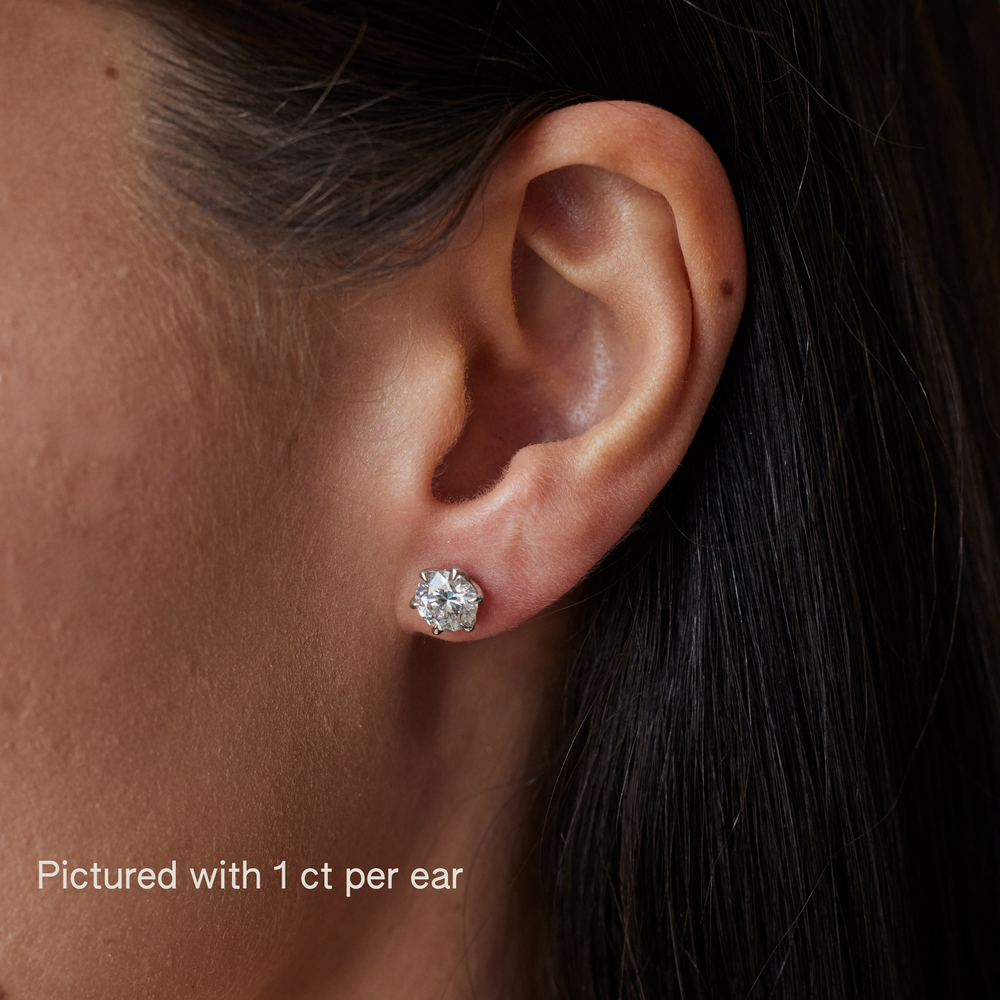
For buyers interested in how these quality factors translate into real jewelry, the Lab Grown Diamond Earrings collection showcases the brilliance and value achievable with IGI certified stones.
Balancing Quality, Beauty, and Budget
In 2026, buyers have unprecedented options when selecting an igi certified lab grown diamond. Prioritize cut for brilliance, then balance color and clarity to meet budget and personal taste. Use IGI reports and side-by-side comparisons to find the best value for your chosen jewelry type, whether it’s a classic solitaire or a pair of elegant earrings.
Understanding these key factors ensures you make a confident, informed purchase that delivers lasting beauty and value.
2026 Trends: Pricing, Availability, and Market Insights for IGI Certified Lab Grown Diamonds
The 2026 landscape for the igi certified lab grown diamond market is dynamic, driven by evolving consumer values and technological advancements. Buyers are increasingly seeking ethical luxury, and the industry is responding with greater transparency, broader selection, and competitive pricing. This year, the market is expected to set new records for both volume and innovation.
Pricing Trends in 2026
IGI certified lab grown diamond prices have continued to decrease moderately as production scales and technology matures. In 2026, average prices are 30–40% lower than natural diamonds of similar grade. This pricing advantage is even more pronounced in larger carat sizes, making high-carat stones accessible to more buyers.
Recent market analyses, such as those from Lab-Grown Diamonds Market Trends 2025, confirm that the value gap between lab grown and natural stones is widening.
Availability and Supply
The availability of igi certified lab grown diamond options has expanded rapidly, with over 795,000 stones listed by leading retailers in early 2026. Increased production capacity, especially from CVD manufacturers, has ensured a steady supply of all popular shapes and sizes.
Retailers are also diversifying their inventories with unique cuts and colored stones. This wider selection means buyers can find an igi certified lab grown diamond that fits nearly any style or budget, from classic solitaires to distinctive designer pieces.
The Rise of Colored Lab Grown Diamonds
Colored igi certified lab grown diamond offerings are gaining traction in 2026, especially in shades like fancy yellow, blue, and pink. IGI’s expertise in grading these stones has increased buyer confidence, and more brands are highlighting colored diamonds in their collections.
These vibrant stones are featured in both statement pieces and everyday jewelry. Their growing popularity illustrates how the igi certified lab grown diamond market is evolving beyond traditional white stones, catering to a diverse range of preferences and creative designs.
Consumer Preferences and Market Data
Consumers are gravitating toward sustainable choices, with transparency and ethical sourcing at the forefront. Engagement rings, earrings, and especially tennis bracelets are in high demand. For example, the Lab Grown Diamond Tennis Bracelet remains a bestseller, combining classic style with modern, certified stones.
Market data reveals that round, oval, and emerald cuts are the most sought-after shapes. Carat sizes between 1.0 and 2.5 remain standard for rings, while larger stones are favored for statement pieces. As of 2026, over 70% of lab grown diamonds sold online are IGI certified, underscoring the importance of certification for consumer trust.
Technology, Sustainability, and Future Predictions
Technology is transforming how buyers interact with the igi certified lab grown diamond market. Virtual consultations, 360-degree video previews, and AI-powered selection tools are now standard on top platforms. These innovations empower buyers to make informed decisions from anywhere.
Sustainability continues to shape the market. Consumers want assurance that their igi certified lab grown diamond is both environmentally responsible and ethically sourced. Looking ahead, experts predict further price stabilization, increased customization, and a surge in colored and fancy-cut diamonds over the next two to three years.
The 2026 market is more accessible, innovative, and transparent than ever, making this the ideal time for buyers to explore the full potential of an igi certified lab grown diamond.