

Ethical Engagement Rings: How to Choose One That Matches Your Values

The ring you choose says something about what you care about. If that includes how it was made, where the materials came from, and who made it, you're not alone. More couples in 2026 are asking these questions before they buy.
Here's what actually makes an engagement ring ethical, how to tell the difference between real practices and marketing, and what to look for when you're ready to choose.

Why the Source of Your Ring Matters
Traditional diamond mining carries environmental and social costs that are hard to ignore. Mining operations disrupt land, consume large amounts of water, and can contaminate local ecosystems with chemicals used in extraction. The social picture is complicated too: some mining regions still face unsafe working conditions and unclear labor practices.
The broader issue is transparency. Many jewelers can't trace the full origin of their stones or metals. Without that traceability, it's difficult to know what your purchase actually supported.
This is why more buyers are looking at lab-grown diamonds, recycled metals, and brands that can document their supply chain from start to finish.

What Makes an Engagement Ring Ethical
Three things matter: the stone, the metal, and the people behind the piece.
The stone. Lab-grown diamonds are chemically and optically identical to mined diamonds, grown in controlled conditions that avoid the land disruption and resource extraction of mining. Not all lab-grown production is equal, though. What matters is the specific practices of the brand you buy from, not general claims about the entire industry.
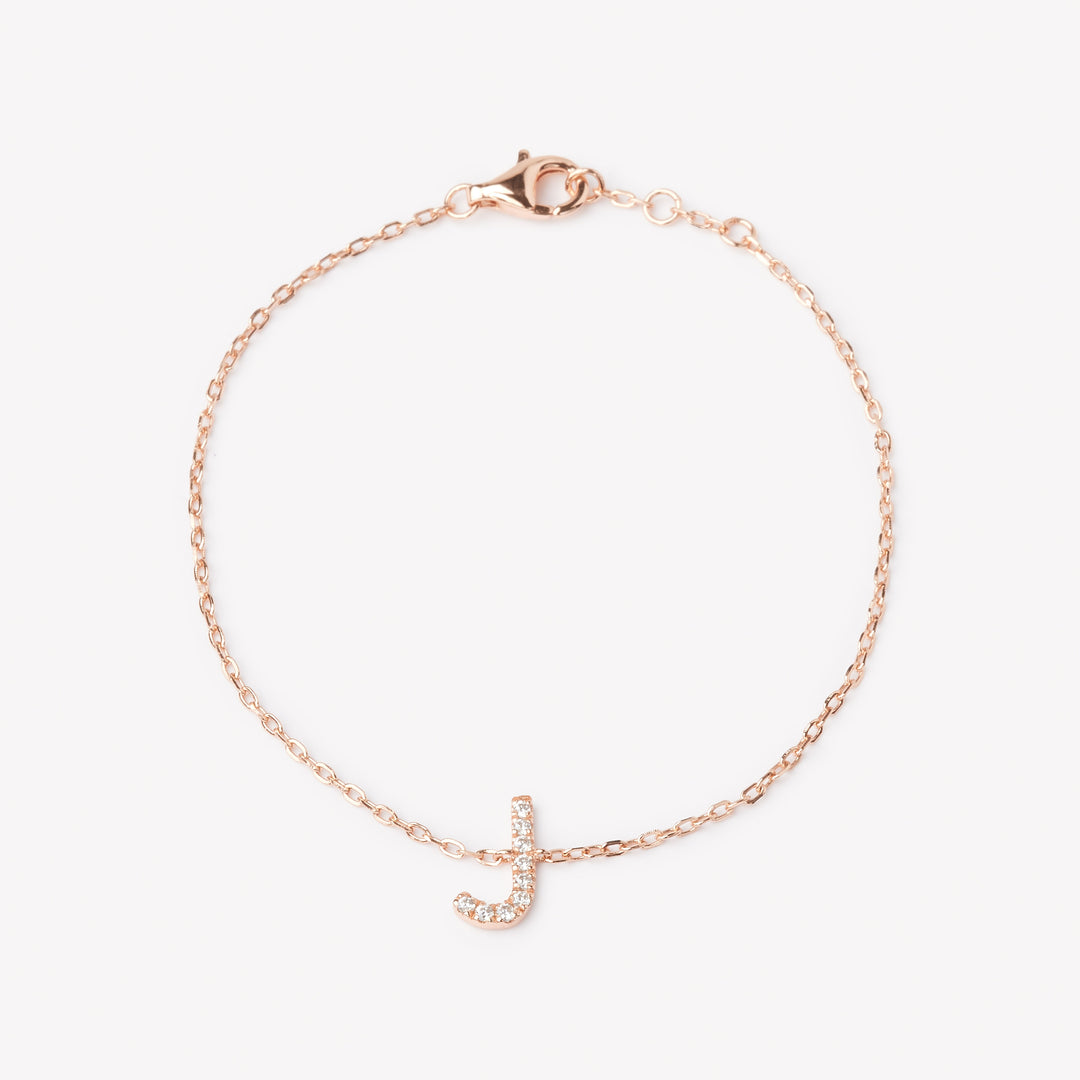
The metal. Recycled gold avoids new mining entirely. Every IRALIS piece is crafted in 14k or 18k recycled gold, with platinum available for bridal pieces. The IRALIS goldsmith is a Responsible Jewelry Council member, which means the sourcing meets independently audited standards.
The people. Who selected your diamond? Who guided you through the process? Was the piece made to order or pulled from inventory? These questions separate a personal, transparent experience from a transaction with a brand name attached.

Certifications: What to Actually Look For
Not every label means the same thing. Here's what's current in 2026.
IGI certification is the standard for lab-grown diamond grading. It's the only major institution still grading lab-grown diamonds on the full traditional 4Cs: cut, color, clarity, and carat. IRALIS uses IGI certification from 1 carat.
GIA changed its approach in October 2025 and no longer issues individual 4C grades for lab-grown diamonds. It now uses two broad categories: "Premium" and "Standard." GIA stones are available on client request, but they carry less detail than an IGI report.
HRD Antwerp stopped grading loose lab-grown diamonds entirely as of January 2026.
Responsible Jewelry Council (RJC) membership signals that a brand's sourcing and practices meet third-party audited ethical standards. IRALIS's goldsmith holds RJC membership.
A certificate tells you what a diamond looks like on paper. But a stone can grade well and still underperform in person. At IRALIS, a trained gemologist hand-selects every diamond, choosing only the top 1% of lab-grown stones based on visual performance. Cut is the deciding factor. If a stone doesn't meet visual standards, it's rejected regardless of the certificate grade.
Your Ethical Engagement Ring Options
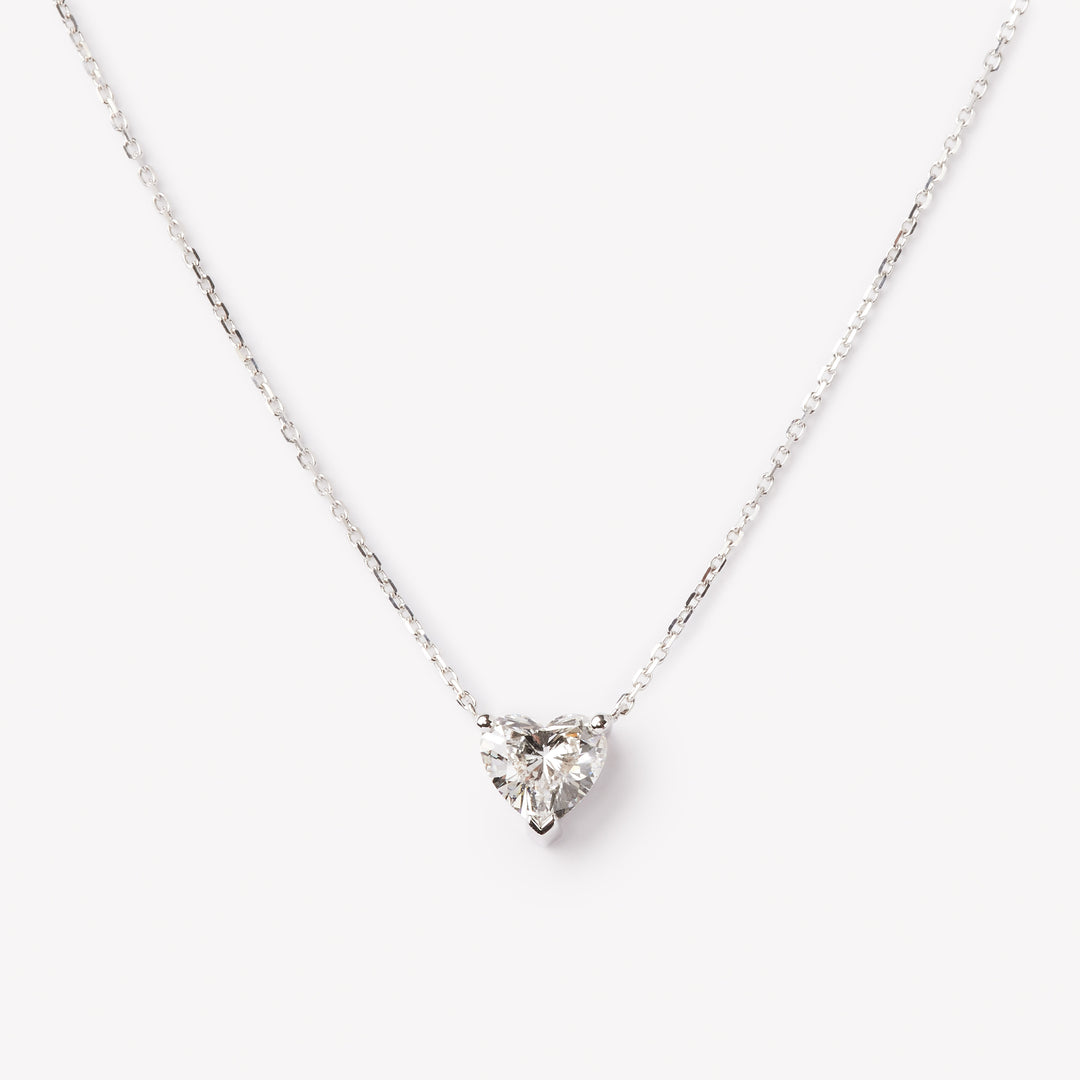
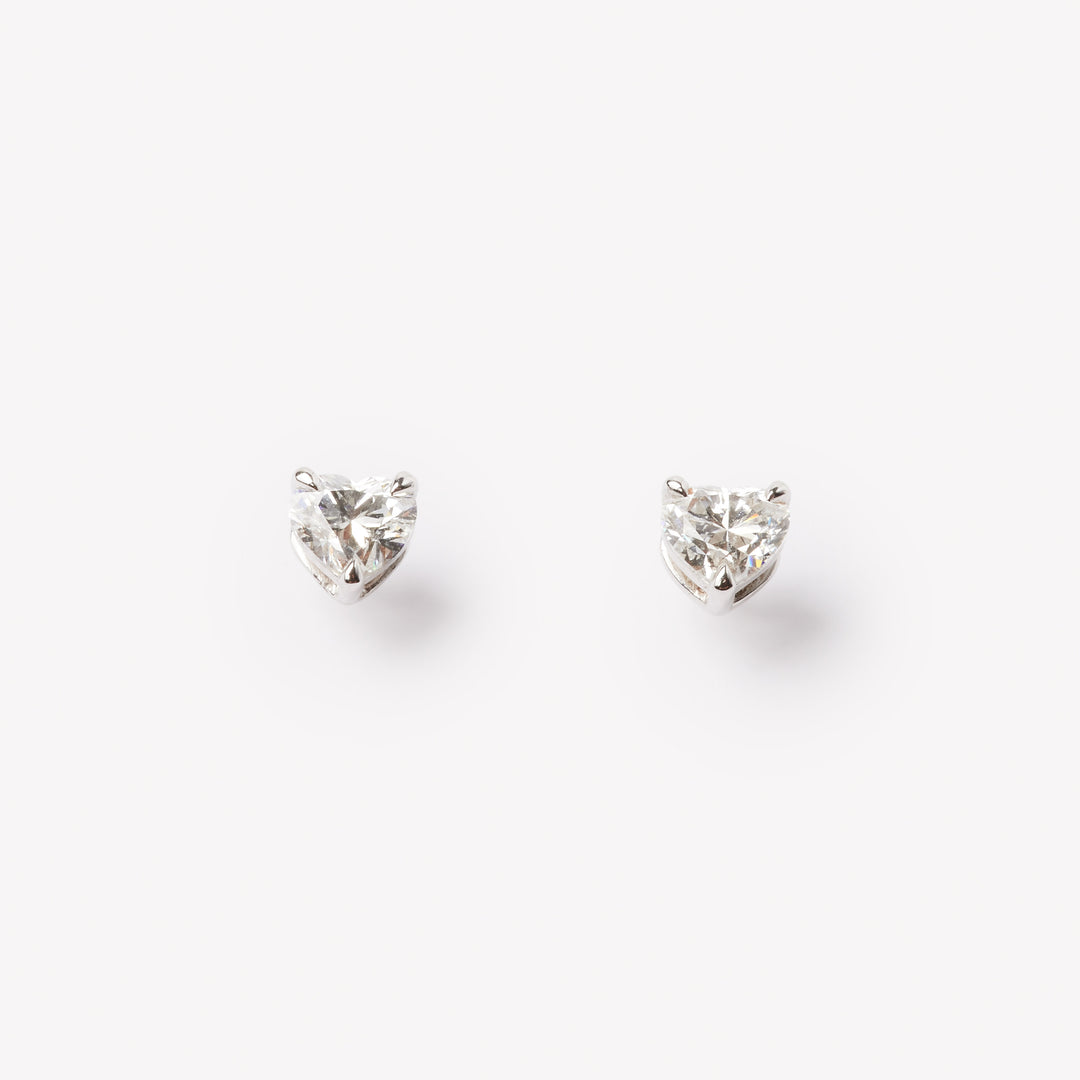
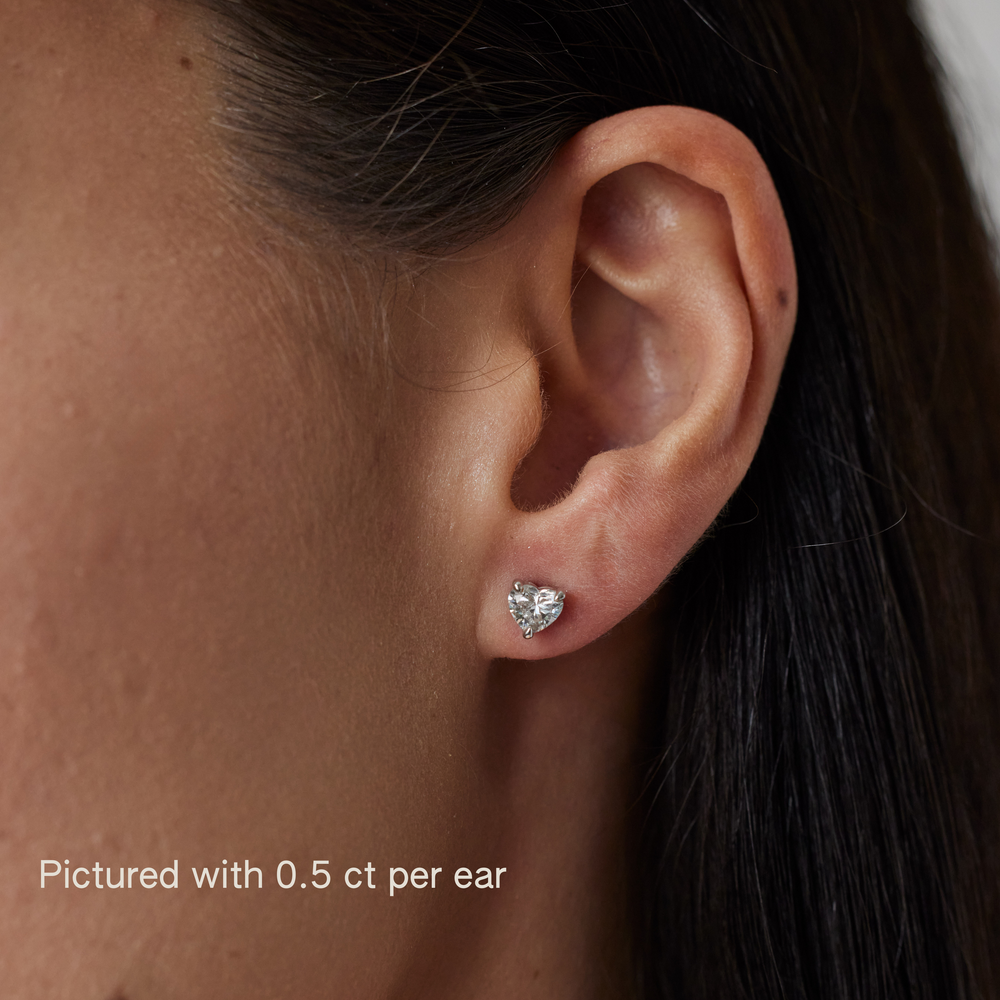
Lab-grown diamond engagement rings. The most direct way to avoid the environmental and social costs of mining while getting a diamond that's identical in every way that matters. Combined with recycled gold and expert selection, this is where ethics and quality meet.
Vintage and antique rings. No new mining, no new production. These pieces carry their own history. If the style speaks to you, they're the lowest-impact option available.
Custom and heirloom designs. Resetting a family stone into a new design preserves both materials and meaning. This works particularly well when combined with recycled metals and a made-to-order process.
Colored gemstones. Lab-grown sapphires, emeralds, and rubies offer ethical alternatives to mined stones. Ask about origin and sourcing documentation for any colored gem.
How to Spot Greenwashing
Some brands use terms like "eco-friendly" or "responsibly sourced" without evidence behind them. A few things to watch for:
Vague language with no specifics about sourcing or production. Self-created sustainability badges that aren't backed by third-party audits. Claims about lab-grown diamonds or recycled metals without traceability documentation.
The test is simple: can the jeweler tell you where the gold was refined, how the diamond was selected, and where the piece was made? If the answer is vague, the commitment probably is too.

How IRALIS Approaches This
Every IRALIS piece is handcrafted in Europe in 14k or 18k recycled gold, set with premium certified lab-grown diamonds. The gemologist hand-selects every stone from the top 1%, rejecting any that don't perform visually, regardless of certification grade. Milena and the team learn about your story before shaping the piece around your moment.
The process is made-to-order, taking 2 to 10 weeks depending on the product. Nothing is pulled from a shelf. The result is a piece that carries your meaning, made with materials you can trace.
IRALIS is a Zurich-based brand offering by-appointment meetings, both in person and virtual. As featured in Vanity Fair, Die Weltwoche, and Prestige Magazin.
Choosing with Confidence
Start with what matters to you. Environmental impact, labor ethics, personal craftsmanship, or all three. Your priorities shape which options fit best.
Ask about materials and sourcing. Recycled gold, RJC membership, IGI certification, and a transparent supply chain are concrete signals, not marketing language.
Meet the people behind the piece. Fine jewelry should feel personal before you wear it. A consultation where someone learns your story before designing your ring is a different experience from browsing an inventory page.
Think about longevity. A well-made piece in quality materials, designed with intention, is the most sustainable choice of all. It doesn't get replaced.
Payment Options
IRALIS offers three flexible payment options: Twint Buy Now Pay Later for purchases up to CHF 1,000, HeyLight for purchases up to CHF 5,000 with 25% down and 12 monthly installments, and Klarna Flexible Payments selectable at checkout.
Your Next Step
Book a consultation with Milena and the IRALIS team. Bring your questions, your story, and your timeline. The ring that comes from it will be handmade just for you.
Frequently Asked Questions
What makes an engagement ring ethical? Three things matter: the stone, the metal, and the people behind the piece. Lab-grown diamonds avoid the land disruption and resource extraction of mining. Recycled gold eliminates the need for new mining. And a transparent process, where you can trace materials and know who made the piece, separates real commitment from marketing language.
How can I tell if a jewelry brand is greenwashing? Look for specifics. Can the jeweler tell you where the gold was refined, how the diamond was selected, and where the piece was made? Vague language, self-created sustainability badges without third party audits, and claims without traceability documentation are warning signs. Brands with genuine commitments welcome detailed questions.
Are lab-grown diamonds a truly ethical choice? Lab-grown diamonds offer traceable origins and avoid the environmental and social costs of mining. But "lab grown" does not automatically mean "zero impact." The actual footprint depends on the specific brand's practices. At IRALIS, environmental responsibility is specific: recycled gold, RJC membership through the goldsmith partner, a transparent supply chain, and premium certified lab-grown diamonds selected by the gemologist from the top 1%.
What are the alternatives to a traditional mined diamond engagement ring? Lab-grown diamond rings offer identical quality without mining. Vintage and antique rings require no new production. Resetting a family stone into a custom design preserves both materials and meaning. Lab-grown colored gemstones like sapphires, emeralds, and rubies offer further options. Each has a different ethical profile, and the right choice depends on your priorities.
How does IRALIS ensure its engagement rings are ethically made? Every piece is handcrafted in Europe in 14k or 18k recycled gold by a goldsmith who is a Responsible Jewelry Council member. The gemologist hand selects only the top 1% of lab-grown diamonds based on visual performance. The supply chain is fully transparent and traceable. Milena and the team learn about your story before shaping the piece around your moment. Production takes 2 to 10 weeks because each piece is made to order.