

Lab-Grown Diamonds at IRALIS: What to Know Before You Buy

If you’re considering a lab-grown diamond, you probably have questions. How do they compare to mined stones? What should you look for? And what makes one jeweler’s lab-grown diamond different from another’s?
At IRALIS, Milena works with premium certified lab-grown diamonds, stones that are chemically, physically, and optically identical to those formed in the earth. The difference is how they’re made, and what that means for you: more of your investment goes into the design and craftsmanship of the piece itself, rather than the costs of mining.
Here’s what you should know.
What Are Lab-Grown Diamonds?
Lab-grown diamonds are real diamonds, full stop. They’re created in controlled environments using one of two methods: High Pressure High Temperature (HPHT) or Chemical Vapor Deposition (CVD). Both replicate the conditions under which diamonds form naturally, producing stones with the same crystal structure, hardness, and brilliance.
They’re not simulants like cubic zirconia. They’re not "synthetic" in the way most people understand that word. A lab-grown diamond will test as a diamond on any gemological instrument because it is one.
The global shift toward lab-grown stones is significant. More buyers, particularly those in their 20s and 30s, are choosing them for reasons that go beyond price: transparency in sourcing, reduced environmental impact, and the ability to invest more in the design that matters to them.

Lab-Grown vs. Mined: The Real Differences
The physical properties are identical. The differences come down to origin, cost, and what you can verify about the supply chain.
|
Lab-Grown |
Mined |
|
|
Origin |
Controlled laboratory |
Geological extraction |
|
Brilliance |
Identical |
Identical |
|
Hardness |
10 on Mohs scale |
10 on Mohs scale |
|
Cost |
Less at equivalent quality |
Higher |
|
Supply chain |
Traceable |
Varies |
|
Environmental impact |
Lower (varies by producer) |
Resource-intensive mining |
Lab-grown diamonds cost less at equivalent quality because you’re not paying for the infrastructure of mining operations. At IRALIS, that savings translates directly into what you wear: better design, finer craftsmanship, a stone selected specifically for your piece.
How IRALIS Certifies Every Stone
Not all lab-grown diamonds are graded the same way, and the certification landscape shifted in 2025. Here's what that means for your purchase.
IGI is our standard
The International Gemological Institute is the primary certification body for lab-grown diamonds worldwide. Every IRALIS diamond comes with an IGI grading report, using the same 4Cs you'd expect: Cut, Color, Clarity, and Carat. The same D-Z colour scale. The same FL-I3 clarity scale. A precise, readable document that tells you exactly what you're getting before you commit to anything.

GIA is available on request
GIA changed its approach to lab-grown diamonds in October 2025. Rather than issuing traditional 4C grades, GIA now assigns a broad quality designation of "Premium" or "Standard" based on colour, clarity, and cut thresholds. GIA remains the gold standard for natural diamond grading. If you'd like a GIA report for your stone, we can source that for you on request.
A note on HRD Antwerp
HRD stopped grading loose lab-grown diamonds from January 2026. They still issue reports for stones already set in jewelry, but individual lab-grown certification is no longer part of their offering.
Every diamond at IRALIS is hand-selected by our gemologist and comes with independent certification. Because IGI provides the full 4Cs breakdown that makes it straightforward to compare stones side by side, it’s the certification you’ll most commonly see on IRALIS diamonds. Milena can walk you through what each grade means for how your diamond will actually look on your hand.
IRALIS’s Approach to Sustainability
Generic claims about lab-grown diamonds being "sustainable" deserve some skepticism. The environmental impact depends entirely on how and where the diamonds are produced.
Here’s what IRALIS can verify about its own practices: the diamonds are produced using solar-powered facilities. Every piece is crafted in 14k or 18k recycled gold or platinum. The supply chain is transparent and traceable.
That’s different from saying "lab-grown diamonds are good for the planet." Some are produced with high energy consumption in facilities powered by fossil fuels. IRALIS chose production partners specifically for their environmental practices, and that’s a claim you can ask Milena about directly.

The IRALIS Collection
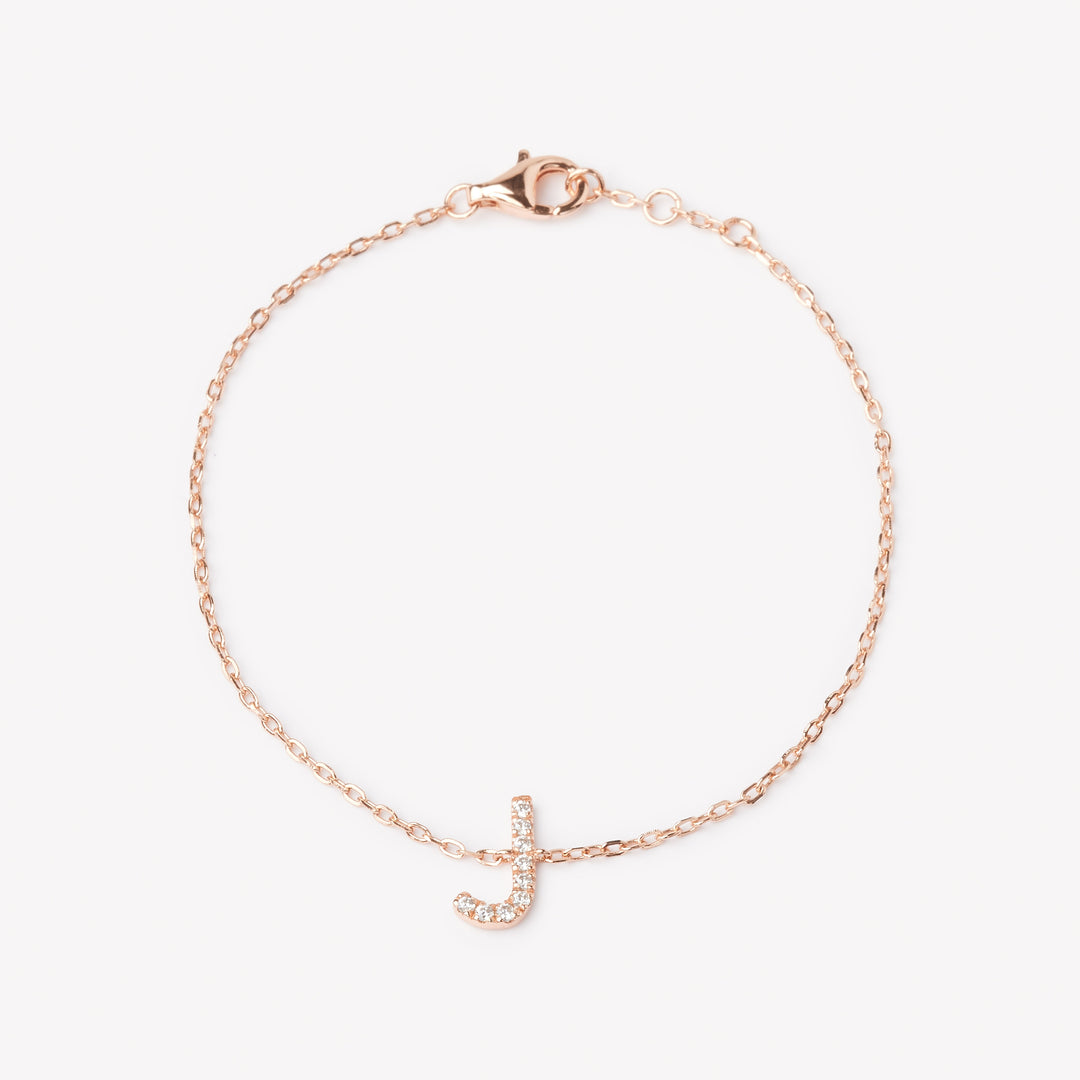
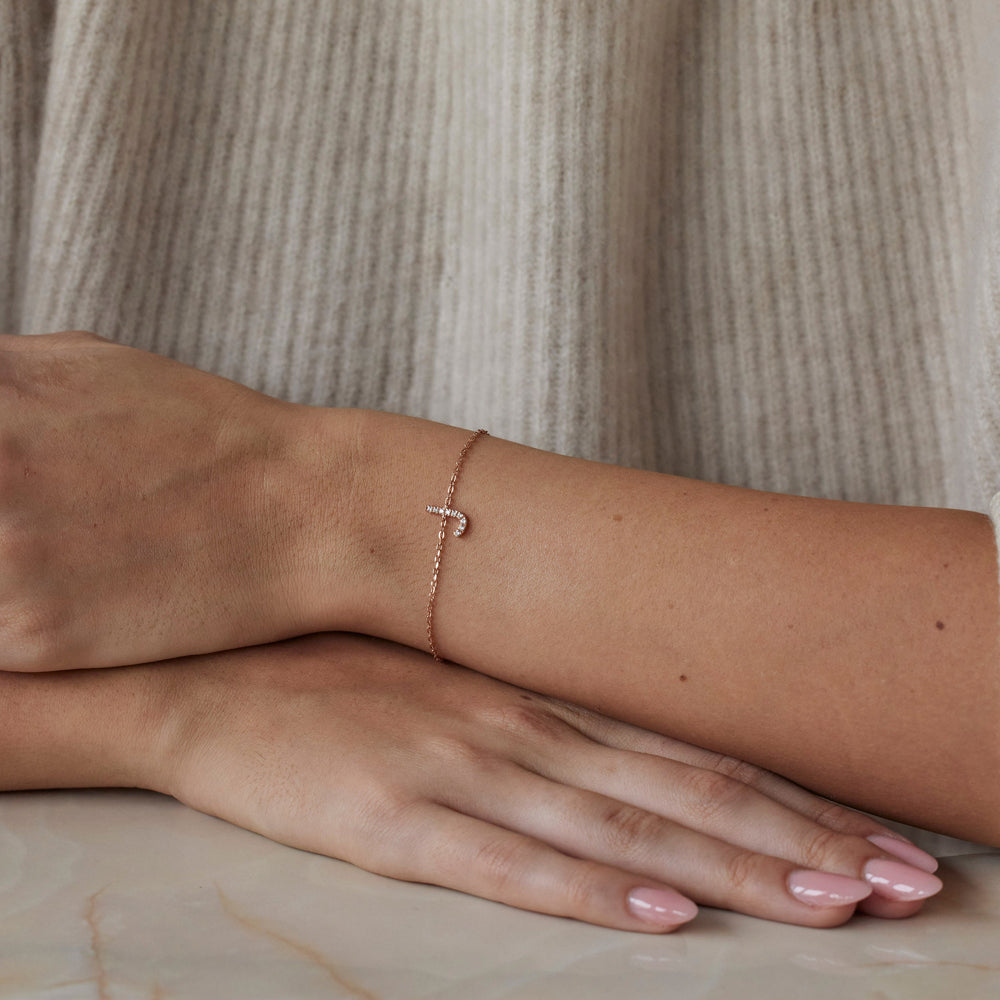
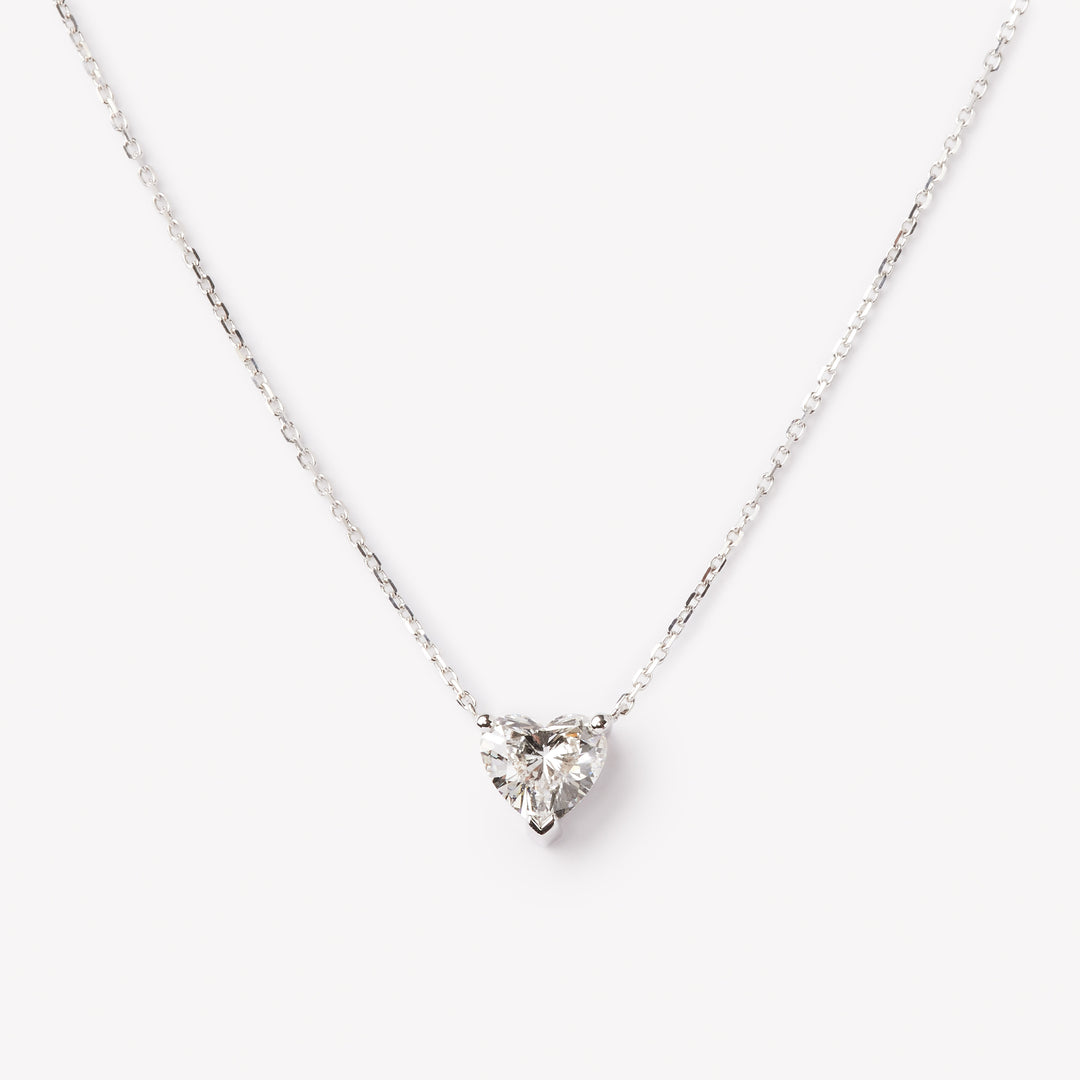
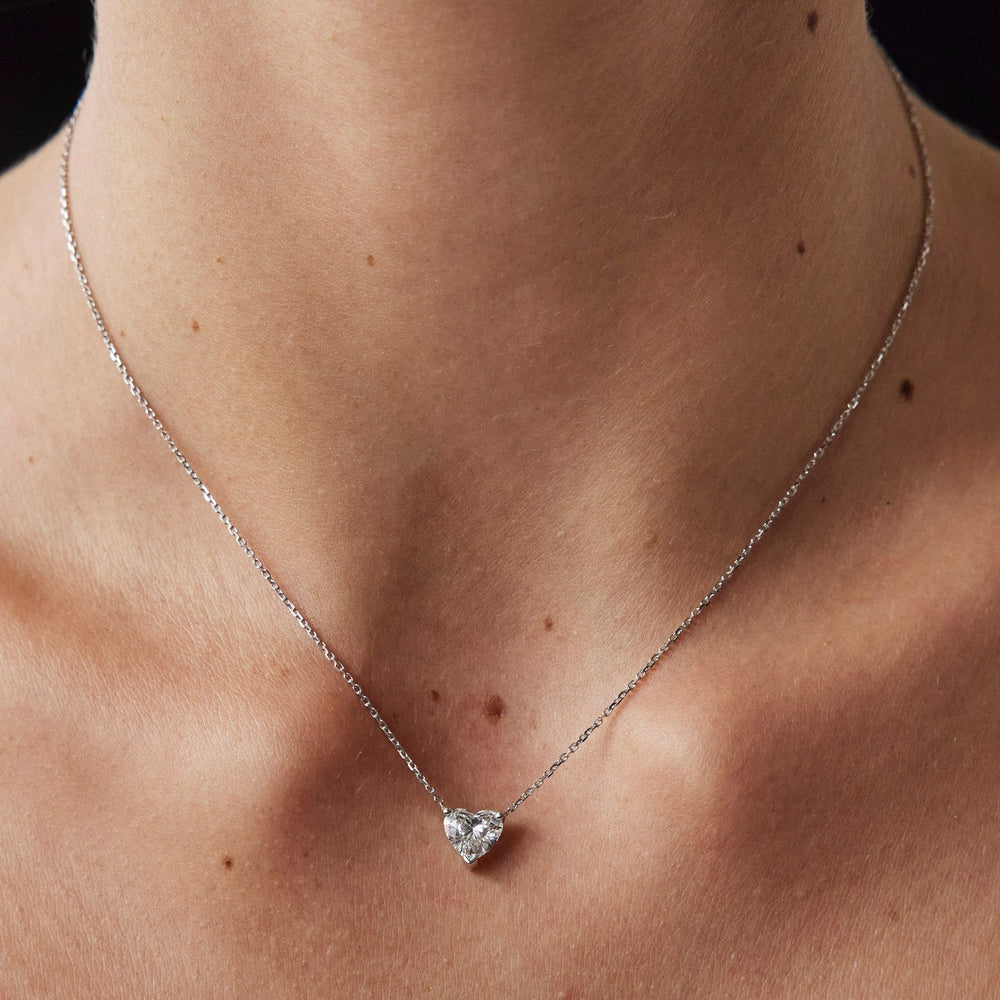
IRALIS offers engagement rings, wedding bands, eternity rings, and everyday diamond pieces: earrings, necklaces, tennis bracelets, pendants. Pieces start at CHF 990 and range up to CHF 15,000.

Every piece is handcrafted in Europe by skilled artisans in Italy, Belgium, and Switzerland. Most products are made to order, with delivery typically taking 2-10 weeks depending on the design. Ready-to-ship pieces are also available and dispatch within 5-7 business days.
Customization is central to how IRALIS works. You can start from an existing design or build something entirely new. Milena’s team handles engraving, bespoke settings, and custom metalwork. If you have a vision for a piece, bring it to your consultation.
Interest-free installment plans are available through HeyLight, with 25% down and the rest spread over 12 months. Free shipping within Switzerland and the EU.
How to Choose the Right Lab-Grown Diamond
Start with what matters to you, not a formula. The 4Cs (Cut, Color, Clarity, Carat) remain the most useful framework for comparing lab-grown diamonds, especially on an IGI report where you see exact grades. But everyone weighs them differently. Some people want the largest stone possible. Others care most about brilliance, which is driven by cut quality. Milena’s role is to help you figure out which trade-offs make sense for your priorities and your budget.
Always check the certification. An IGI report gives you the full picture: exact color grade, clarity grade, cut quality, and carat weight. If you’re comparing stones, these grades make it straightforward. If you’re not sure what the differences mean in practice, that’s exactly what a consultation with Milena is for.
Think about the setting, not just the stone. A beautifully cut diamond in the wrong setting won’t look its best. Consider how you’ll wear it, every day or for occasions, and choose a design that fits your life. Solitaires, halos, three-stone, pavé: each changes how the diamond catches light and sits on your hand.
Don’t wait for someone else to buy it. IRALIS is not just engagement rings and gifts. Many of Milena’s clients come in to create something for themselves: a pair of diamond earrings, an eternity ring to mark a personal milestone, a tennis bracelet because they wanted one. The best reason to own a diamond is your own.

Your Consultation with Milena
Shopping for an IRALIS piece is personal. Book a free consultation in Zurich by appointment, or schedule a remote video call from anywhere. You can also reach the team on WhatsApp, by email, or by phone.
In person, you’ll view diamonds up close, try settings, and work through sizing. Remotely, Milena walks you through options with high-resolution images and video. Either way, the goal is the same: you understand exactly what you’re choosing and why.
There’s no pressure to decide on the spot. Milena wants you to feel confident, not rushed. Many clients take time between their consultation and their final decision, and that’s exactly how it should work.
Caring for Your Lab-Grown Diamond
Lab-grown diamonds have the same hardness as mined diamonds (10 on the Mohs scale), so durability isn’t a concern. They won’t cloud, fade, or lose brilliance over time.
For daily care, a soft brush with warm water and mild soap is all you need. Clean gently around the setting and rinse thoroughly. Avoid harsh chemicals that could affect the metal.
Store each piece separately in a soft-lined box or pouch, as diamonds can scratch other jewelry and each other. Remove rings before heavy physical activity. For deeper care, IRALIS offers a bespoke maintenance service in collaboration with a local goldsmith: professional cleaning, inspections, resizing, repairs, and rhodium plating for white gold pieces. Services are priced based on time and scope. Reach out to support@iralis-jewelry.com to book.

Returns and Cancellation
You have a 14-day cancellation right from the day you receive your piece. That’s standard EU consumer protection, and IRALIS honors it fully: all payments refunded, including original delivery costs. You cover the cost of sending the item back.
The exception: custom and bespoke pieces. If it was made to your specifications, the cancellation right doesn’t apply. That’s another reason the consultation process matters. Milena wants you to be certain before a custom order goes into production.

Common Questions
Are lab-grown diamonds real diamonds? Yes. Same chemical composition (carbon), same crystal structure, same physical properties. Certified by independent gemological institutes using the same standards applied to mined stones.
Will they last? They’re diamonds. They have the same hardness and durability as any diamond. There is no degradation over time.
What about resale value? Lab-grown diamonds currently resell at lower values than mined stones. For many IRALIS clients, the value is in the piece itself: what it means, how it was made, and the experience of creating it. If investment return is your primary goal, that’s worth discussing with Milena openly.
Can I customize a piece? Yes. Customization is core to how IRALIS works. Choose your diamond shape, setting style, metal (14k or 18k recycled gold, or platinum), and add personal touches like engraving. Custom pieces typically take 2-10 weeks depending on the design.
Is there a payment plan? Yes. IRALIS offers interest-free installments through HeyLight: 25% down, the rest over 12 monthly payments.
What if I change my mind? You have 14 days from delivery to cancel for non-custom pieces. Full refund, no questions. Custom and bespoke orders are final.
How do I get started? Book a free consultation. In Zurich by appointment, or remotely by video. You can also reach the team on WhatsApp, email, or phone. Milena will walk you through options based on what matters to you.