

Lab-Grown Diamond Jewelry in 2026: What to Know Before You Buy

Your diamond choice comes down to one question: does it look right in person?
That's what separates a diamond you'll love from one that just photographs well. And in 2026, lab-grown diamonds have made that question more interesting than ever, because the stones are real, the quality is exceptional, and the way you buy them has changed.
Here's what you need to know about lab-grown diamond jewelry right now: what these diamonds actually are, how to choose the right one, and what to look for in the brand behind the piece.

What Lab-Grown Diamonds Actually Are
Lab-grown diamonds are diamonds. Not simulants, not alternatives. They share the same chemical composition, crystal structure, and optical properties as diamonds formed underground. The difference is where they grow.
Two methods produce them. Chemical Vapor Deposition (CVD) layers carbon atoms onto a diamond seed in a controlled chamber. High Pressure High Temperature (HPHT) recreates the intense conditions that form diamonds in nature. Both produce stones that are physically and optically identical to mined diamonds.
The idea that lab-grown diamonds are somehow "not real" is the most persistent myth in the industry, and gemologists have been clear about it: at the molecular level, there is no difference.
Lab-Grown vs. Mined: What Actually Matters
The origin is different. The diamond is not.
Lab-grown diamonds offer traceable origins, so you know exactly where your stone came from. Mined diamonds can carry uncertainty about provenance, and in some cases, concerns about conflict sourcing.
On environmental impact, lab-grown production avoids the land disruption and resource extraction of traditional mining. That said, not every lab operates the same way. What matters is the specific practices of the brand you buy from: recycled gold, responsible sourcing, transparent supply chains. General claims about the entire industry don't tell you much.
Lab-grown diamonds also cost less at equivalent quality, which means more of your investment goes into design and craftsmanship rather than the stone markup.
Certification in 2026: What Has Changed
This is where things have shifted. If you're comparing diamonds on paper, you need to understand the current certification landscape.
IGI is the standard for lab-grown diamond grading. It remains the only major institution grading lab-grown diamonds on the full traditional 4Cs: cut, color, clarity, and carat. For any serious purchase, an IGI certificate gives you the most detailed picture of what you're getting.

GIA changed its approach in October 2025. It no longer issues individual 4C grades for lab-grown diamonds. Instead, GIA uses two broad tiers: "Premium" and "Standard." That's less information to work with. If you want a GIA-graded stone, some jewelers can source them on request, but the detail won't match an IGI report.
HRD Antwerp stopped grading loose lab-grown diamonds entirely as of January 2026.
The takeaway: if certification matters to you (and it should), look for IGI. A certificate tells you what the stone looks like on paper. But paper isn't everything.
Why Certification Isn't the Whole Story
A stone can look perfect on a certificate and underperform in real life. That's why how your diamond is selected matters as much as the grade it carries.
At IRALIS, a trained gemologist hand-selects every diamond, choosing only the top 1% of lab-grown stones based on visual performance. Cut is the deciding factor. If a stone doesn't meet visual standards, it's rejected, regardless of what the certificate says.
This is the part most buyers don't see. The difference between a diamond that's technically graded well and one that actually performs in light, on your hand, in the room, comes down to expert selection.
Styles Worth Knowing in 2026
Lab-grown diamond jewelry has moved well past engagement rings, though those remain the most meaningful category. Here's what's happening across collections this year.
Engagement rings span solitaires, halos, vintage-inspired settings, and three-stone designs. The range of stone shapes has expanded: round and oval remain popular, while cushion, pear, and marquise cuts are gaining ground. The "hidden halo" setting adds brilliance from angles you don't expect.

Tennis bracelets continue to be one of the most requested pieces, worn daily and dressed up effortlessly.

Eternity bands are a popular choice for anniversaries and self-purchase, stackable by design and personal by nature.

Colored lab-grown diamonds, particularly pink, blue, and yellow, are opening up options that were previously rare and inaccessible. These are showing up in engagement rings and statement pieces alike.
Choosing Your Metal
Your metal choice affects how the diamond reads on your skin, how the piece ages, and how it fits with what you already wear.
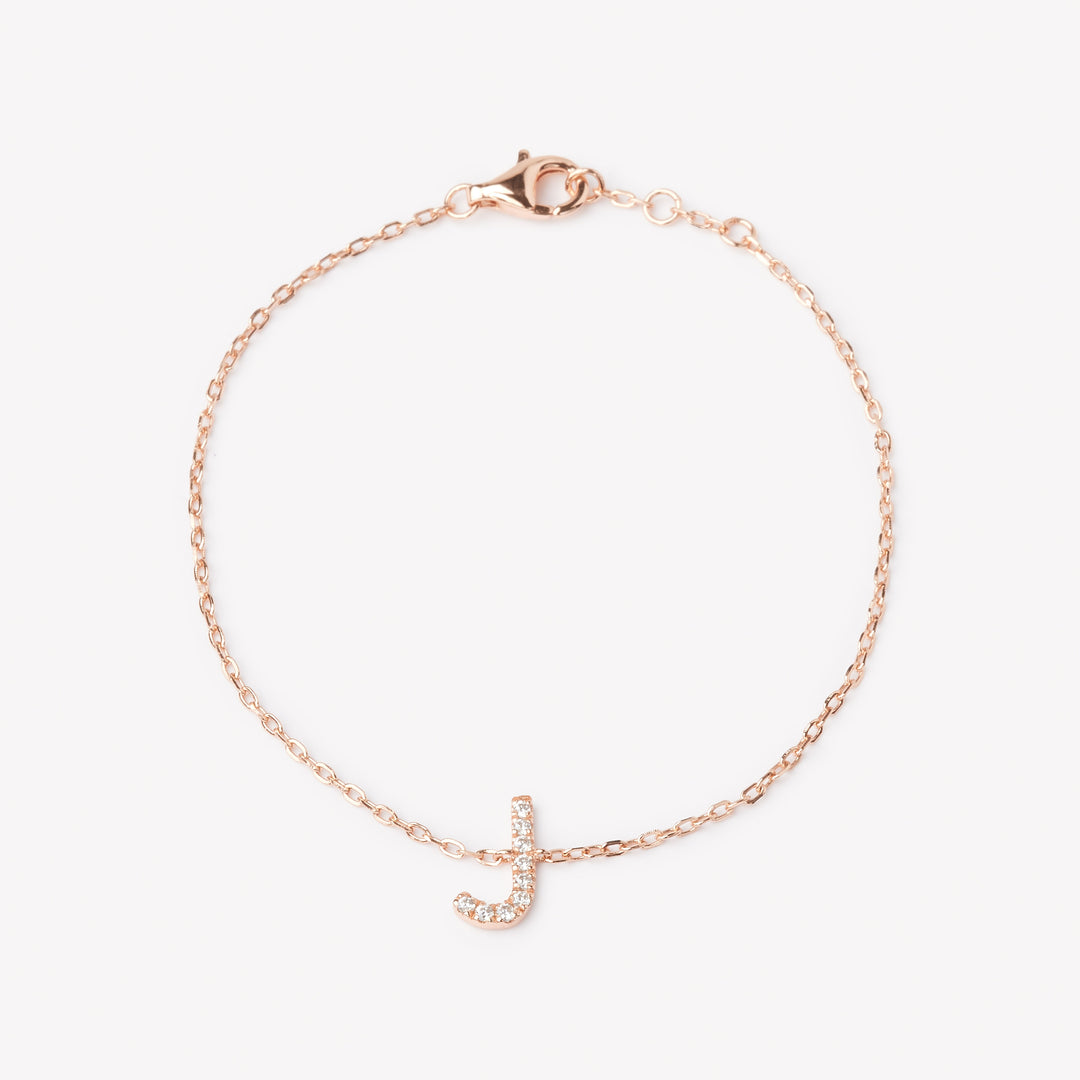
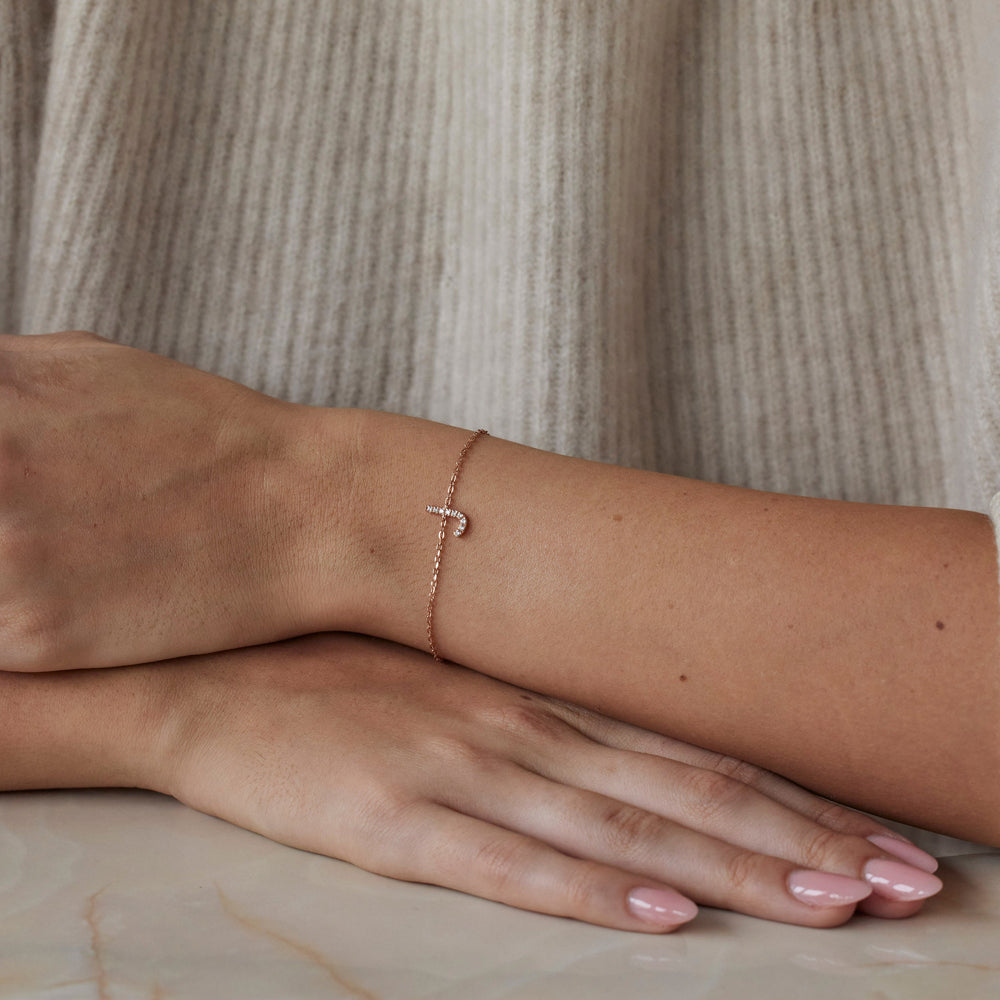
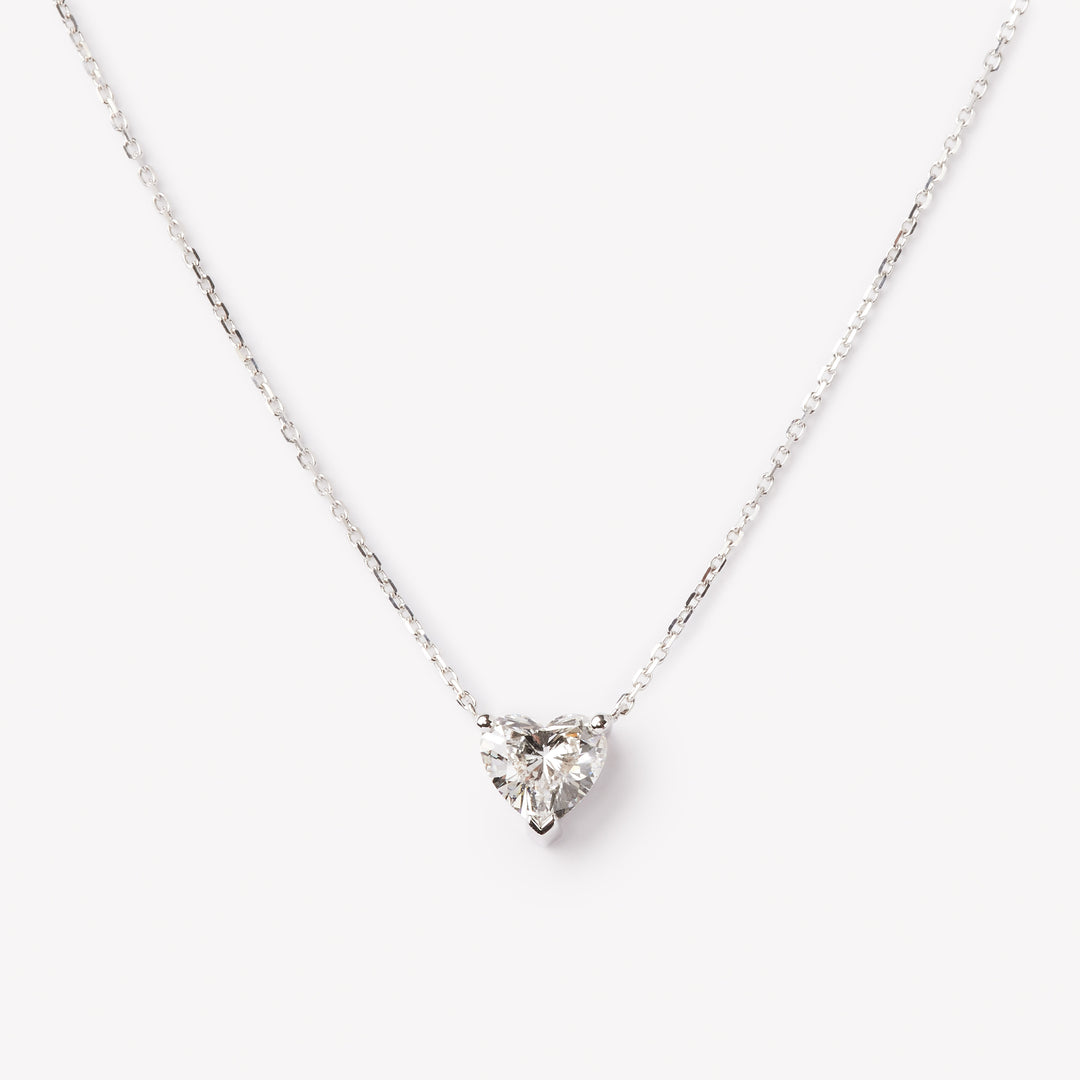
Every IRALIS piece is crafted in your choice of 14k or 18k recycled gold, with platinum available for bridal pieces. White gold reads cool and classic. Rose gold brings warmth and a modern feminine quality. Yellow gold is bold and timeless. Platinum offers the highest durability for pieces worn every day.
Mixed-metal and two-tone settings are worth considering if you want something that moves between different styles.
Making It Yours
The strongest trend in lab-grown diamond jewelry isn't a shape or a setting. It's personalization.
Fine jewelry should feel personal before you wear it. That means the process of choosing it should reflect something about you, not just your ring size.
At IRALIS, every piece begins with your story. Milena and the team learn about your life and the moment you want to mark before a single design decision is made. The gemologist selects the diamond. The design is shaped around your meaning. The piece is handcrafted in Europe over 2 to 10 weeks depending on complexity.
This is made-to-order in the real sense: not pulled from a shelf, but built for you.
Custom options include selecting your stone shape and size, choosing your metal and setting, adding engravings, or combining different gemstones. Virtual consultations and by-appointment meetings in Zurich make the process personal whether you're local or not.

How to Buy with Confidence
A few practical steps that make the difference:
Start with why. Are you marking an engagement, celebrating a personal milestone, or choosing a piece that's simply yours? The reason shapes everything that follows.
Understand the 4Cs, but don't stop there. Cut, color, clarity, and carat matter, but visual performance matters more. An IGI certificate gives you the facts. Expert selection tells you what those facts actually mean on your hand.
Look at the brand, not just the stone. Who selected the diamond? Who's guiding you through the process? Is the jewelry made to order or pulled from inventory? These questions separate a personal experience from a transaction.
Ask about materials. Your piece should be crafted in recycled gold, set with premium certified lab-grown diamonds, and made by people whose work you can trace.
Caring for Your Jewelry
Lab-grown diamonds are diamonds, so they carry the same hardness and durability. Care is straightforward.
Clean your pieces regularly with a soft-bristle brush, mild soap, and warm water. Rinse thoroughly and dry with a lint-free cloth. Avoid contact with harsh chemicals, lotions, and perfumes before putting your jewelry on.
Store each piece in a soft-lined box or individual pouch to prevent scratches. Remove jewelry before physical activity or household tasks.
Have your pieces professionally inspected once a year. A jeweler checks for loose stones, worn prongs, or early signs of wear that are easy to address before they become problems.
Payment Options
IRALIS offers three flexible payment options: Twint Buy Now Pay Later for purchases up to CHF 1,000, HeyLight for purchases up to CHF 5,000 with 25% down and 12 monthly installments, and Klarna Flexible Payments selectable at checkout.
Your Next Step
Book a consultation with Milena and the IRALIS team, in person or virtually. Bring your questions, your story, and your timeline. The piece that comes from it will be handmade just for you.

Frequently Asked Questions
Are lab-grown diamonds real diamonds? Yes. Lab-grown diamonds share the same chemical composition, crystal structure, and optical properties as mined diamonds. They register identically on a diamond tester and are graded by the same independent laboratories. A gemologist cannot distinguish between them without specialized equipment.
How does IRALIS select its lab-grown diamonds? The IRALIS gemologist hand selects every diamond, choosing only the top 1% of lab-grown stones based on visual performance. Cut is the deciding factor. A diamond can grade well on a certificate and still not perform in real light. If a stone does not meet visual standards, it is rejected regardless of its grade.
What certification should I look for when buying lab-grown diamond jewelry? IGI certification provides the most detailed assessment, grading lab-grown diamonds on the full traditional 4Cs: cut, color, clarity, and carat. GIA stopped issuing individual 4C grades for lab-grown diamonds in October 2025 and now uses two broad tiers. HRD Antwerp stopped grading loose lab-grown diamonds entirely in January 2026. IRALIS uses IGI as its primary certifier for diamonds from 1 carat.
Can I personalize my lab-grown diamond jewelry at IRALIS? Yes. Every IRALIS piece is made to order. The process starts with a conversation where Milena and the team learn about your story and the moment you want to mark. You choose your stone shape and size, metal, setting, and any personal details like engraving. Pieces are handcrafted in Europe in 2 to 10 weeks.
What payment options does IRALIS offer? IRALIS offers three options: Twint Buy Now Pay Later for purchases up to CHF 1,000, HeyLight for purchases up to CHF 5,000 (25% down payment, 12 monthly installments), and Klarna Flexible Payments selectable at checkout.