
Lab Grown Diamond Colors Guide: Explore every hue possible

Step into the dynamic world of lab grown diamond colors, where innovation is redefining luxury jewelry for 2026. Today, diamonds are no longer limited to classic white they span a stunning spectrum that rivals nature.
This guide will explore every hue available, helping you understand color options, grading systems, and the latest trends.
- Attention: Experience an unprecedented range of lab grown diamond colors.
- Interest: See how technology is expanding your choices.
- Desire: Imagine finding the perfect shade for your style or occasion.
- Action: Use this guide to make confident, informed decisions.
Get ready to dive into how lab grown diamonds get their color, the complete color range, grading, expert buying tips, and what the future holds.
How Lab Grown Diamonds Get Their Color
Lab grown diamond colors are the result of precise science, advanced engineering, and careful artistry. Understanding what goes on inside the lab helps buyers appreciate the beauty and value of each colored stone. Let’s explore how these remarkable colors come to life.
The Science Behind Lab Grown Diamond Colors
Lab grown diamond colors are shaped by the method used to create them. The two main processes, Chemical Vapor Deposition (CVD) and High Pressure High Temperature (HPHT), allow scientists to control the chemical environment. Tiny amounts of trace elements are introduced to the carbon structure, making each color possible.
For example, boron gives diamonds a blue color, while nitrogen causes yellow.
Here’s a quick table:
| Element | Color Produced |
|---|---|
| Boron | Blue |
| Nitrogen | Yellow |
| Hydrogen | Purple/Pink |
| Nickel | Green |
Unlike natural diamonds, where color results from unpredictable earth conditions, lab techniques ensure consistent results. Recent scientific studies confirm that color uniformity is much higher in lab diamonds. For a full overview of how lab grown diamond colors are created, visit the Lab Grown Diamonds Overview.
Color Creation: Natural vs. Lab Grown Diamonds
The origins of lab grown diamond colors differ from those in mined stones. In nature, color depends on random geological events over millions of years. In contrast, labs use strict controls to tailor hues, resulting in a wider palette.
This means rare colors like blue, pink, or green are more accessible in lab grown diamonds. For example, while less than 0.1% of mined diamonds show strong color, over 10% of lab grown diamonds are sold in fancy colors.
Enhancements and Treatments
Some lab grown diamond colors are intensified or adjusted with post-growth treatments. Common methods include:
- HPHT annealing to boost color saturation
- Irradiation for green or blue hues
- Coating to create unique effects
Ethically, it’s vital that any treatments are clearly disclosed. Certifications from reputable labs note all enhancements, ensuring buyers know exactly what they’re purchasing. Transparency in this process protects value and builds trust in the colored diamond market.
Factors Affecting Final Color
Several factors shape the final shade of lab grown diamond colors. Temperature, pressure, and the gas mixture during growth all play a role. The choice of seed crystal and the length of growth can shift the hue or intensity.
Even small changes in the process can make the color more vivid or subtle. For instance, blue lab grown diamonds may range from pale sky blue to deep navy, depending on boron concentration and process settings. This variability allows for a rich spectrum, meeting the desires of color-loving buyers.
The Complete Spectrum: Lab Grown Diamond Colors Explained
The world of lab grown diamond colors is more vibrant than ever. Buyers and collectors now enjoy an extraordinary palette, from timeless colorless diamonds to fancy hues. In this section, we will break down each major color group, highlight what makes them unique, and guide you through the nuances that help you select the perfect lab grown diamond colors for any occasion.
Classic Colorless and Near-Colorless Diamonds
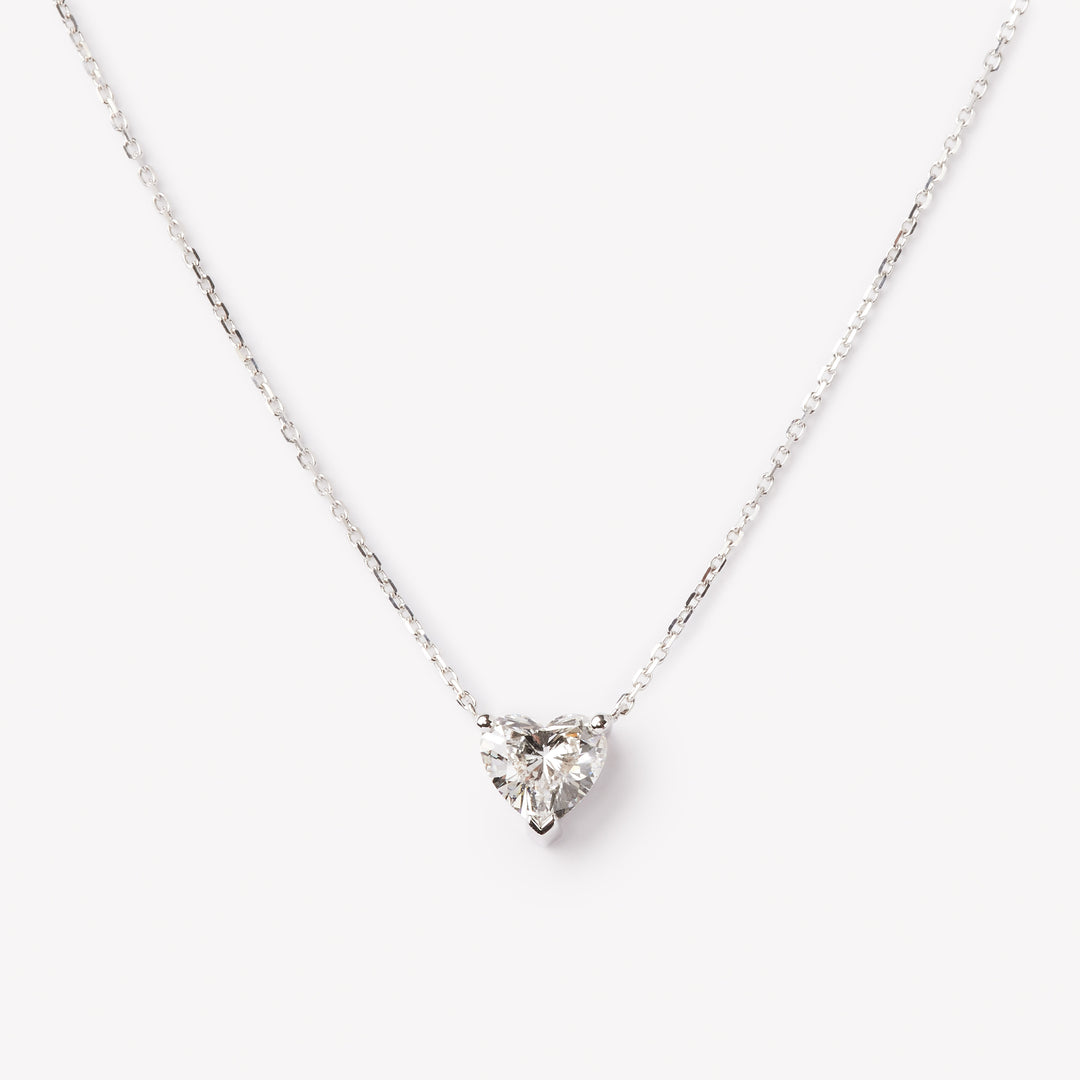
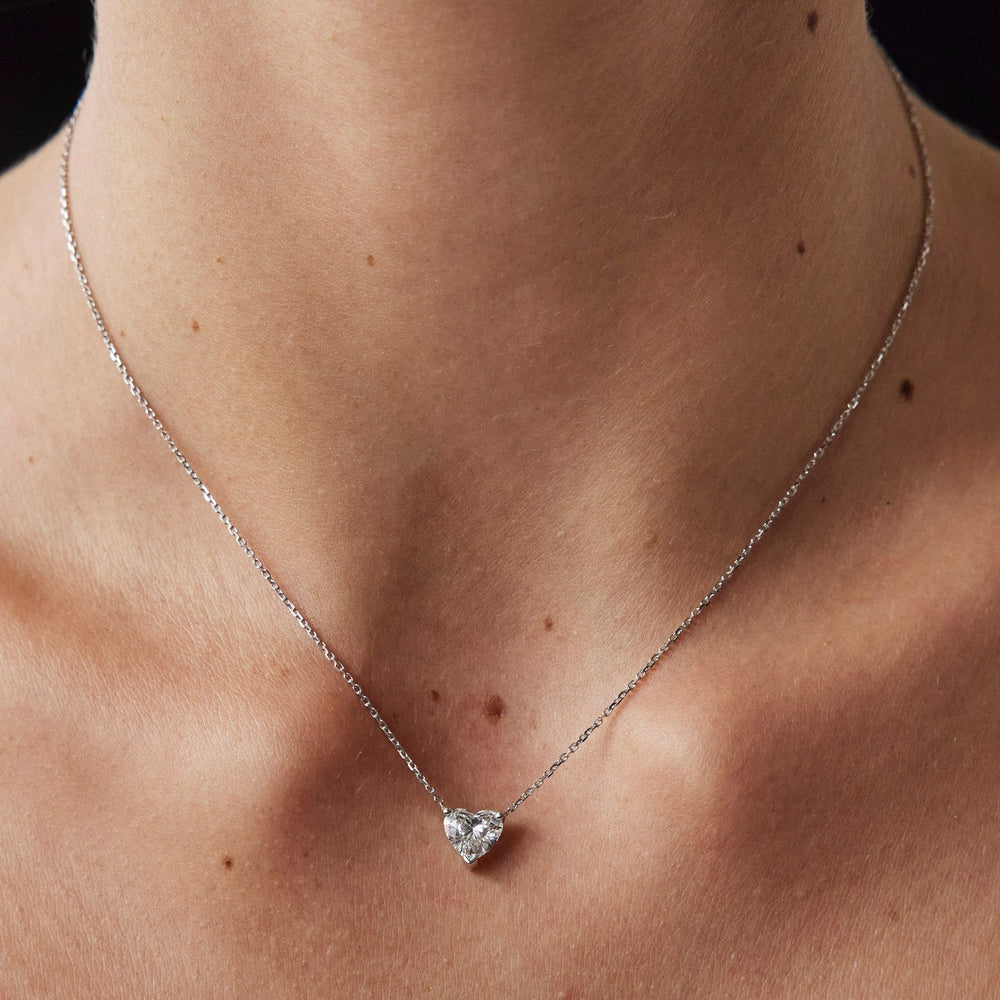
Colorless and near-colorless lab grown diamond colors remain the gold standard for traditional jewelry. These diamonds are graded on the D to J scale, with D being completely colorless and J showing a faint warmth. Their popularity is unmatched in engagement rings and fine jewelry, making up nearly 60% of the lab grown diamond colors market in 2026.
Top brands offer curated collections featuring these sparkling stones, prized for their timeless elegance. Whether set in platinum or white gold, colorless lab grown diamond colors maximize brilliance and versatility.
Fancy Yellows: Vibrant and Warm
Fancy yellow lab grown diamond colors captivate with their cheerful, sunlit tones. Nitrogen atoms incorporated during growth create shades ranging from Fancy Light to Fancy Vivid Yellow. This spectrum offers buyers a choice between soft lemon hues and bold, canary brilliance.
Celebrities and fashion icons often choose yellow lab grown diamond colors for statement pieces. Compared to colorless diamonds, yellows offer both distinction and value, with vivid stones commanding higher prices yet remaining more accessible than their mined counterparts.
Brilliant Blues: The Boron Effect
The distinctive blue hues in lab grown diamond colors are achieved by introducing boron during synthesis. This element produces shades from icy pale blue to deep, oceanic tones. Blue diamonds have become increasingly popular, with notable lab grown specimens featured in auctions and high jewelry collections.
Symbolizing tranquility and confidence, blue lab grown diamond colors are favored for unique engagement rings and luxury accessories. The controlled lab process ensures consistency in hue, making these rare colors more attainable for buyers.
Romantic Pinks and Purples: Rare and Coveted
Pink and purple lab grown diamond colors are created using high pressure high temperature (HPHT) methods with select trace elements. While natural pinks are incredibly scarce, lab grown techniques make these romantic shades far more accessible.
Demand for pink and purple lab grown diamond colors is surging, especially for engagement and anniversary jewelry. Designer collections now feature pastel to vibrant stones, offering buyers the chance to own rare hues without the premium prices of mined diamonds.
Cool Greens and Unique Oranges
Green and orange lab grown diamond colors are among the most intriguing. Green tones result from controlled radiation exposure and trace elements, symbolizing nature and renewal. Oranges, achieved through precise element manipulation, stand out in avant-garde jewelry designs.
Both green and orange lab grown diamond colors are rare, with demand rising in 2026 for bold, unconventional jewelry. These hues appeal to those seeking individuality and a connection to nature or artistic expression.
Other Exotic Hues: Reds, Grays, and Beyond
The spectrum of lab grown diamond colors extends to exotic reds, steely grays, and striking blacks. Red lab diamonds are particularly challenging to create, making them highly sought after by collectors.
Gray and black lab grown diamond colors have inspired modern, gothic trends in fine jewelry. Multicolor and color-shifting diamonds, a new frontier, are gaining traction as technology advances. Market data shows a notable increase in demand for these unconventional hues, reflecting evolving tastes.
Color Saturation and Tone: What Buyers Should Know
Understanding the nuances of lab grown diamond colors involves more than just hue. Saturation and tone dramatically impact a diamond's visual appeal and value. Grading systems use terms like Fancy, Fancy Intense, and Fancy Vivid to describe increasing color strength.
For a deeper dive into how laboratories assess hue, tone, and saturation in fancy colored diamonds, consult the IGI's Fancy Colored Diamond Report. Visual comparisons help buyers appreciate differences in color intensity, while expert guidance ensures you choose a stone that matches your style and budget.
Choosing among lab grown diamond colors requires balancing personal taste, occasion, and grading knowledge.
Lab Grown Diamond Color Grading and Certification
Understanding lab grown diamond colors requires insight into grading and certification, which are essential for buyers seeking quality and authenticity. The grading process ensures that each diamond’s color is accurately assessed, providing transparency and confidence for consumers. Let’s break down the systems, processes, and implications behind color grading for lab grown diamonds.
Color Grading Scales and Terminology
Lab grown diamond colors are evaluated using internationally recognized grading scales. The Gemological Institute of America (GIA) and International Gemological Institute (IGI) are leading authorities, each with detailed systems. For colorless diamonds, grades range from D (completely colorless) to J (near-colorless), reflecting subtle variations in hue.
Fancy colored lab grown diamond colors use a different system. Terms like Fancy, Fancy Intense, and Fancy Vivid classify saturation and tone. Abbreviations such as F, G, or Fancy Vivid Pink help buyers compare options. Standardized grading ensures clarity and trust in the market. To dive deeper into the IGI’s specific grading approach, see this resource on IGI Certified Lab Grown Diamonds.
How Laboratories Grade Lab Grown Diamonds
The grading journey for lab grown diamond colors begins when a diamond arrives at the laboratory. Experts clean and prepare the stone, then use advanced spectrometry and imaging to analyze its color under controlled lighting. This ensures consistency and objectivity.
Both automated technology and human expertise are used. Automated systems provide precision, while human graders use keen observation to judge subtle color nuances. The combination results in reliable grading, especially important for the expanding palette of lab grown diamond colors.
Understanding Certification Reports
Certification reports for lab grown diamond colors contain several critical sections. These include color grade, clarity, growth method, and any post-growth treatments.
A typical report might feature a table summarizing key attributes:
| Attribute | Description |
|---|---|
| Color Grade | Fancy Vivid Yellow |
| Clarity | VS1 |
| Growth Method | CVD |
| Treatments | None |
Red flags include missing or vague disclosures about color or treatments. Carefully reading the certification report is vital for making informed decisions about lab grown diamond colors.
The Impact of Grading on Price
The color grade of lab grown diamond colors plays a significant role in determining market price. Vivid and rare hues command a premium, while more common or less saturated colors are typically more affordable.
Choosing the Right Lab Grown Diamond Color: Buyer’s Guide
Selecting from the array of lab grown diamond colors is an exciting journey. With more hues available than ever, your choice can reflect both personal style and deeper values. This guide helps you navigate color selection, lighting, metal pairing and ethics.
Matching Diamond Color to Style and Occasion
Lab grown diamond colors can transform any jewelry piece into a statement of individuality. Classic colorless or near-colorless diamonds (D to J on the color scale) remain top choices for engagement rings, symbolizing timeless elegance and tradition. However, colored diamonds are gaining momentum for those seeking a unique touch.
Fancy pinks, blues, and yellows are popular for milestone gifts and fashion-forward pieces. Millennials and Gen Z in 2026 increasingly seek vibrant hues that reflect their personalities. For example, a bold yellow is perfect for summer events, while soft pinks suit romantic anniversaries. Statement rings with deep blue or green lab grown diamond colors are trending, often featured in celebrity collections and designer collaborations. For a deeper dive into lab-grown diamonds, see Lab Diamond Jewelry Guide: Everything to Know in 2026.
Choosing the right color is about more than appearance. Consider the symbolism attached to each hue and how it aligns with your story or the occasion.
Evaluating Color in Different Lighting Conditions
Lighting dramatically influences how lab grown diamond colors appear to the naked eye. Natural daylight reveals the stone’s truest hue, while LED or fluorescent lighting can sometimes make colors seem cooler or more intense. Candlelight brings out warmth
in pinks and yellows, offering a romantic glow.
When shopping, view diamonds in multiple lighting environments if possible. Jewelers often provide light boxes or side-by-side comparisons to help you see the difference. Remember, even the jewelry setting and surrounding metals can affect perceived color, so ask to see the diamond both loose and set.
By evaluating lab grown diamond colors under different lights, you ensure your chosen shade will shine in every setting, from everyday wear to special occasions.
Color and Metal Pairings: Maximizing Beauty
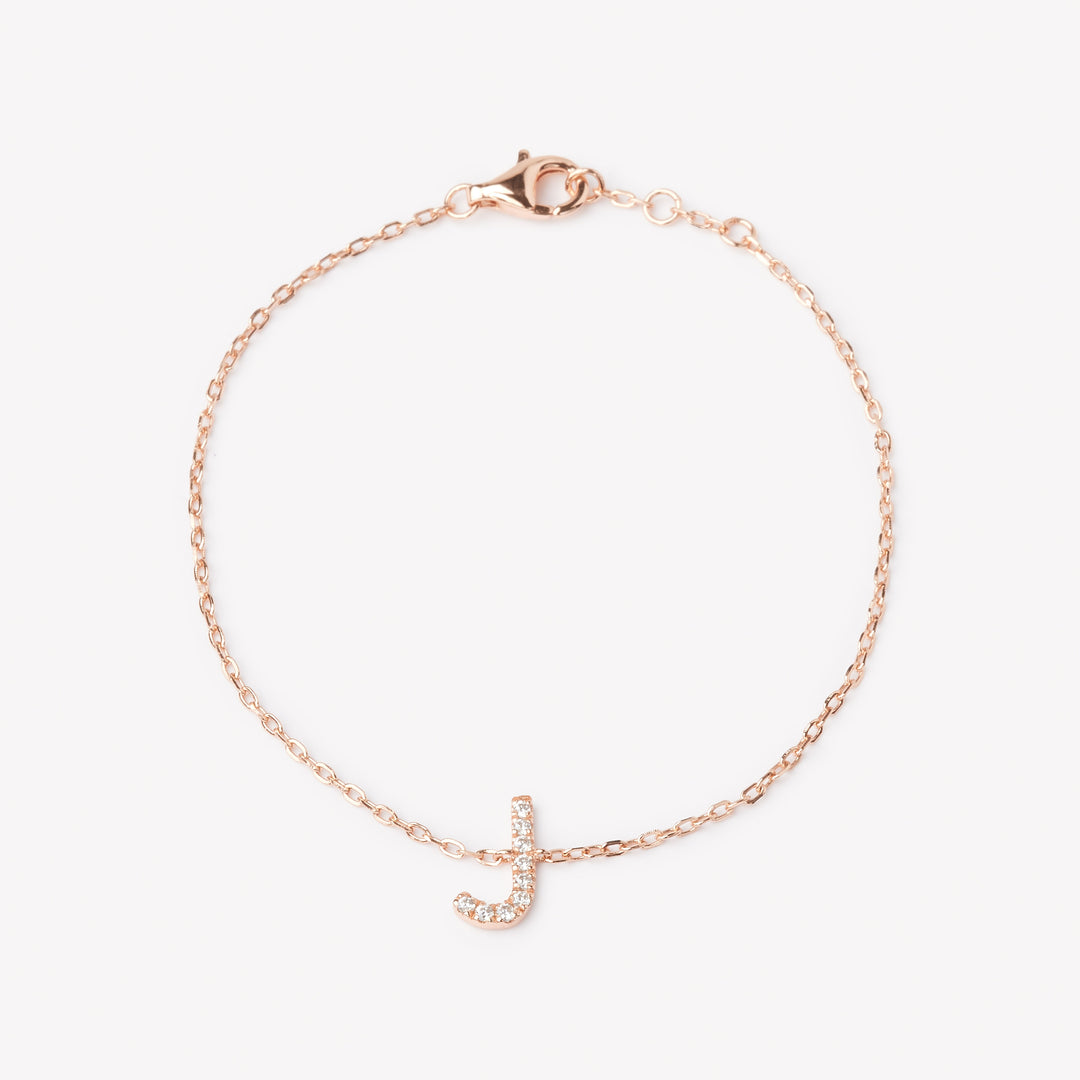
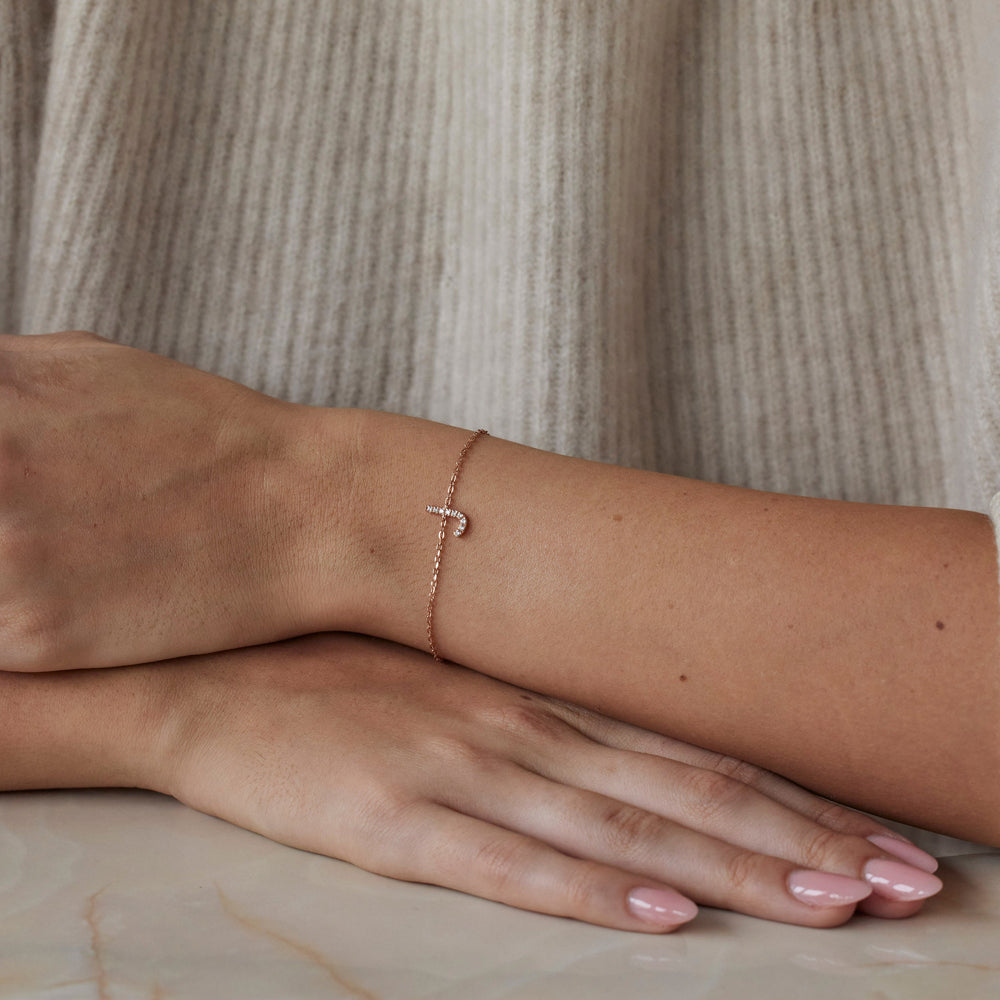
Pairing lab grown diamond colors with the right metal enhances their natural beauty. Rose gold brings out the blush in pink diamonds, while yellow gold amplifies the warmth of fancy yellow stones. Platinum and white gold are ideal for blues and colorless diamonds, as their cool tones create a striking contrast.
Here’s a quick reference table for optimal pairings:
| Diamond Color | Best Metal Pairings |
|---|---|
| Colorless | White Gold, Platinum |
| Pink | Rose Gold, White Gold |
| Yellow | Yellow Gold, Platinum |
| Blue | Platinum, White Gold |
| Green | Yellow Gold, White Gold |
| Orange | Yellow Gold, Rose Gold |
Consider your personal style and the jewelry’s intended use. For statement pieces, bold color-metal contrasts work well. For everyday elegance, subtle combinations are timeless. Designer advice in 2026 consistently favors pairing lab grown diamond colors with metals that highlight, not overpower, the stone.
Ethical and Sustainable Considerations
Ethics and sustainability are at the heart of many buyers’ decisions regarding lab grown diamond colors. Choosing lab-created stones helps minimize environmental impact and avoids the ethical concerns tied to some mined diamonds. Transparency is crucial, especially regarding color treatments and enhancements.
Look for certifications that detail any post-growth treatments and confirm ethical sourcing. Brands leading the way in this arena provide detailed disclosures and support responsible practices. For more on ethical sourcing and transparency in colored diamonds, visit Ethical Diamond Jewelry Insights.
Where to Buy: Reputable Retailers and Online Platforms
Finding a trustworthy retailer is essential when purchasing lab grown diamond colors. Look for sellers with strong reputations and clear certification on every diamond.
Red flags include vague color descriptions, missing certification, or reluctance to share treatment information. Always request documentation.
In summary, shopping for lab grown diamond colors is about balancing personal style, value, ethics, and trust. With the right guidance, you can confidently choose a diamond that reflects your unique vision.
Advances in Color Creation Technology
The science behind lab grown diamond colors has reached new heights. Refined HPHT and CVD growth methods now allow for unprecedented control over diamond color, saturation, and consistency. Laboratories can precisely introduce trace elements, resulting in a broader palette of hues than ever before.
This technical progress means buyers have more choices in lab grown diamond colors, from deep blues to vibrant greens. Since 2020, the number of available hues has doubled, making custom shades more accessible.
Innovative equipment and computer modeling now minimize color zoning, ensuring even tone throughout each gemstone. As a result, lab grown diamond colors are more consistent, meeting the demands of both jewelers and discerning buyers.
Fashion and Celebrity Influence on Color Trends
Fashion icons and celebrities are driving demand for unique lab grown diamond colors. Colored diamonds are frequently seen on red carpets, in designer collaborations, and across influential social media platforms. This visibility is fueling a surge in popularity for blues, pinks, and even unconventional hues like orange or gray.
According to 2026 Jewelry Trends: Lab-Grown Diamonds, colored lab grown diamonds are a top choice for modern jewelry, with designers pushing creative boundaries. Social media campaigns and influencer partnerships amplify these trends, making colored diamonds a must-have accessory.
The impact of these trends is clear: more consumers are seeking lab grown diamond colors that reflect their personality and style. Fashion houses are responding by featuring colored diamonds in limited-edition pieces, further elevating their desirability.
Customization: Bespoke Colored Diamonds
Personalization is at the heart of the lab grown diamond colors movement. Custom orders for specific hues, saturations, and shapes are on the rise, as buyers look for diamonds that tell a unique story. This trend is especially strong for engagement rings and milestone jewelry.
The process begins with a consultation, where clients discuss their vision for lab grown diamond colors with experts Laboratories then tailor the growth process, introducing precise trace elements to achieve the desired color. The result is a one-of-a-kind gemstone, crafted to match the wearer's identity.
Designers report that demand for bespoke colored diamonds has doubled since 2024. Consumers value the ability to choose not only the color but also the exact intensity and tone, making each piece truly personal.
Sustainability and Eco-Innovation
Sustainability is a driving force behind the latest innovations in lab grown diamond colors. Producers are increasingly adopting renewable energy sources, such as solar and wind, to power diamond growth facilities. This reduces the environmental impact compared to traditional mining.
Eco-friendly practices extend to recycling water and repurposing materials used in the lab. Some jewelers are even upcycling older jewelry, resetting lab grown diamond colors in modern designs. Certifications for sustainable production are gaining traction, helping consumers make informed choices.
Buyers are drawn to lab grown diamond colors not only for their beauty but also for their ethical and environmental benefits. This shift aligns with broader consumer demand for transparency and responsible sourcing in luxury goods.
Market Growth and Investment Potential
The market for lab grown diamond colors is booming in 2026. Industry analysts project double-digit growth, with colored diamonds outpacing colorless varieties in certain segments.
A comparison table highlights key trends:
| Color Category | Market Share 2026 | Growth Rate (2024–2026) |
|---|---|---|
| Blue | 24% | 18% |
| Pink | 19% | 21% |
| Green | 11% | 15% |
| Orange/Other | 7% | 13% |
Future Outlook: What’s Next for Lab Grown Diamond Colors?
The future of lab grown diamond colors is bright and filled with potential. Experts predict the arrival of new hues, such as vibrant reds and color-shifting stones, thanks to ongoing research in material science. Integration of smart technology, like gems that change color with temperature or light, is already being tested.
Ethical considerations will remain central, with continued emphasis on transparency, certification, and responsible production. As the technology matures, lab grown diamond colors will likely redefine what is possible in the world of fine jewelry.
Consumer Education and Resources
Staying informed about lab grown diamond colors is crucial for buyers in 2026. Leading organizations and laboratories offer resources to help consumers understand grading, certification, and trends.
Comprehensive guides, such as GIA's Grading of Lab-Grown Diamonds, provide insight into how color is assessed and reported. Educational platforms and trade associations regularly update their materials to reflect new developments in the field.
To make the best choices, consumers should consult reputable retailers, review certification reports, and keep up with industry news. Ongoing education ensures that every investment in lab grown diamond colors is both informed and rewarding.